
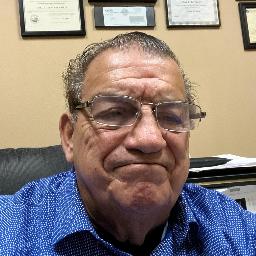
Harvey Pacht, LMFT
Therapist in California
Harvey Pacht is a Licensed Marriage and Family Therapist (LMFT) practicing in California.
- License 29196 · California Expires July 2027
- NPI 1659970705 · national registry
- Experience and languages 10+ years in practice English
Details are as listed on the therapist's public professional profile. You can check any license with the state board and any NPI with the national registry.
About Harvey
Harvey Pacht is a Licensed Marriage and Family Therapist (LMFT) practicing in California. He focuses on relationship and intimacy challenges and helps people who feel stuck, distant, or resentful in their partnerships. Harvey speaks plain language and aims to make therapy direct and useful for everyday life.
He blends conversation and practical skills to interrupt unhelpful patterns between partners. Sessions often focus on communication, commitment concerns, and rebuilding closeness. Harvey draws on methods that emphasize concrete interactions so couples can practice different ways of relating during and between sessions.
Background and approach
Harvey also works with people on issues tied to family, self-esteem, parenting, work stress, and grief. He supports caregivers managing stress and people navigating midlife or career questions. Treatment addresses both immediate problems and patterns that repeat over time.
His approach includes elements of the Gottman Method alongside client-centered, existential, mindfulness, and solution-focused ideas. That mix is used to help clients notice patterns, reflect on values, and try small changes that produce real differences. Harvey aims to keep sessions focused and actionable.
In session he encourages straightforward practice and clear goals. People can expect a collaborative process that balances listening with concrete tools. The work is aimed at helping clients feel more in control of how they relate and live their daily lives.
Credentials
- LMFT (California)
- License 29196 · expires July 2027
- NPI
- 1659970705 · national provider identifier
Both are public records. A state board register will confirm a license and its standing, and the national registry will confirm an NPI. This directory copies what the therapist lists and checks neither.
Focus areas and approaches
Everything Harvey lists on their public professional profile, in their own terms.
- Relationship issues
- Family conflicts
- Intimacy-related issues
- Self esteem
- Career difficulties
- Grief
- Parenting issues
- Caregiver issues and stress
- Commitment issues
- Communication problems
- Control issues
- Divorce and separation
- Emptiness
- Family of origin issues
- Family problems
- Fatherhood issues
- Forgiveness
- Men's issues
- Midlife crisis
- Money and financial issues
- Workplace issues
Approaches Harvey names
- Gottman Method
- Client-Centered Therapy
- Existential Therapy
- Mindfulness Therapy
- Solution-Focused Therapy
- Internal Family Systems
These are the approaches Harvey names on their own professional profile. Naming an approach is not evidence of training or certification in it, and this directory checks no training records. Ask directly if it matters to you.
Online support
Using Gottman and Practical Approaches Online
Harvey draws on the Gottman Method alongside client-centered and existential ideas to guide online work. The Gottman-informed approach looks at how couples interact and teaches small, repeatable habits that reduce conflict and build connection. Client-centered work focuses on listening and understanding what each person values and needs. Existential elements invite people to think about meaning, choice, and how they want to live beyond immediate problems.Picking the right approach is a collaborative process. Harvey will talk with clients about their goals, what has helped or not helped before, and what feels most useful. Together they decide which methods to try and adjust the plan as progress is made.
Online formats include video calls, phone sessions, live chat, and text-based messaging to fit different needs. Video allows face-to-face interaction for practice and role play. Phone sessions are useful when bandwidth or camera use is a concern. Live chat and messaging can work for shorter check-ins, homework, or quick reflection between sessions. These options make it easier to fit therapy into busy schedules and to continue work across different settings.
We will earn a commission if you sign up through our link, at no cost to you. It does not change what you pay or the order of the listings.
Frequently asked
What relationship concerns does Harvey address?
He helps people with relationship and intimacy problems, commitment and communication issues, and patterns that cause distance or resentment.
What is his general therapy style?
Harvey uses a direct, practical style that mixes conversation with skills practice to change interaction patterns.
How much clinical experience does he have?
He has ten years of experience working with relationship challenges and related issues such as parenting, grief, and workplace stress.
Where is he licensed and located?
He is a Licensed Marriage and Family Therapist (LMFT) licensed in California.
Which languages are sessions offered in?
Sessions are offered in English and he accepts international clients.
What session formats are available?
Sessions are offered as video calls, phone sessions, live chat, or text-based messaging.
How are fees and billing handled?
Cost varies with location and therapist availability; sessions use a subscription model that can be canceled at any time.
How do I begin working with him?
Start by selecting the Start Therapy button, complete a short matching questionnaire, and then schedule sessions according to therapist availability.
More therapists in California
See all
Gian Sarabia
LMFT

Katherine Eldean
LMFT

Chauncey Chatman
LMFT
Earl Barrios
LPCC
Is this your profile?
Ask us to correct details or take the page down.