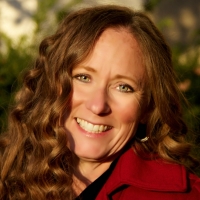
Tommi-Jai Walsh
LSCSW, LCSW
Works with Stress, Anxiety, LGBT, Relationship and 11 more
Location Missouri 21 years in practice
Gottman Method therapist directory
4 therapists in this directory list Licensed Specialist Clinical Social Worker (LSCSW). Registration details are shown as each therapist lists them; the body's own public register is the place to check a number.
A Licensed Specialist Clinical Social Worker (LSCSW) is a clinical social work license earned after graduate study and supervised clinical experience. Browse the verified LSCSW therapists below to compare specialties, approaches, credentials, languages, and experience.
LSCSW, LCSW
LSCSW, LCSW
LSCSW, LCSW
LSCSW, LCSW
Some links on this page are partner links. We will earn a commission if you sign up through one, at no cost to you. It does not change what you pay or the order of the listings.
When you see the LSCSW designation it signals a clinician who has met advanced requirements in the field of clinical social work. That pathway typically begins with a graduate degree in social work - a master of social work or a doctoral degree - followed by a period of supervised practice. During that supervised period you gain hands-on experience providing assessment, psychotherapy, and case management under the oversight of a licensed clinician. Many jurisdictions require specific documentation of hours and successful completion of professional examinations before the LSCSW credential is issued.
After initial licensure there are usually continuing education expectations that help maintain clinical competence. You can expect clinicians with an LSCSW to engage with professional development, ethical standards, and state board requirements. The credential informs you that the therapist has pursued the regulatory steps to practice clinically in their state, though the exact requirements can vary from one jurisdiction to another. If you want to understand the specifics for a clinician you are considering, the state licensing board is the most reliable source for the exact qualifications tied to the LSCSW title where that license is issued.
An LSCSW designation is focused on clinical practice. You will find LSCSW therapists offering psychotherapy, mental health assessments, treatment planning, and interventions for individuals, couples, and families. Their social work background often means they attend to both the psychological aspects of care and the environmental or systemic factors that affect well-being. This can include coordination with community resources, advocacy for client needs, and helping you navigate social supports as part of a treatment plan.
Licenses such as marriage and family therapist and professional counselor reflect different training emphases and regulatory pathways. While the specific services can overlap, social work training tends to emphasize systems, community context, and a client-centered approach that integrates social determinants of health. When you compare credentials, look at the clinician's stated focus areas and experience. Some clinicians who hold an LSCSW may work in settings that require clinical diagnosis and treatment, while others may integrate case management or community liaison roles that reflect their social work background.
LSCSW therapists often work with a wide range of concerns. You may encounter professionals who list depression, anxiety, trauma-related distress, grief, relationship issues, and life transitions among their areas of focus. Because of their training, many LSCSW clinicians also engage with complex social or environmental challenges that affect mental health, such as housing instability, caregiving responsibilities, or workplace stress. In short, you may find LSCSW therapists addressing both clinical symptoms and the broader life circumstances that contribute to them.
Different LSCSW clinicians describe a variety of therapeutic approaches on their profiles. Some list cognitive and behavioral methods, others note psychodynamic or relational approaches, and some list trauma-focused interventions. When therapy approach matters to you, look for clinicians who list the methods that align with your preferences. Keep in mind that a clinician listing a particular approach is not the same as a specialized certification in that approach; it indicates the therapist includes that approach among the techniques they use.
If you want to confirm a clinician's LSCSW credential, the most direct route is the state licensing board where the clinician is licensed. Boards typically offer online lookup tools where you can enter a name or license number to view license type, active or inactive status, and any public disciplinary records. This public record will give you official confirmation about the licensing designation and the dates associated with it. You can also verify tax identification information such as an NPI number through national directories to cross-reference professional listings.
On a clinician profile you should find the stated license type, the state that issued it, and sometimes a license number. Profiles may also list education, years of experience, languages spoken, and clinical approaches. When reading those details, consider how each element aligns with what you are seeking in treatment. If a profile leaves you with questions about licensure details, you can contact the board directly for clarification or ask the clinician to provide their licensing information for verification.
One benefit of working with an LSCSW is the broad lens that social work training brings to clinical care. You can expect attention to both internal psychological processes and external factors that shape daily life. That perspective may be especially helpful if your concerns involve family dynamics, community systems, work-related stresses, or navigating social services. LSCSW clinicians are often experienced at helping clients connect therapy goals to practical supports and resources in the community.
Begin by clarifying what matters most to you - the issues you want to address, the therapeutic approaches you prefer, language needs, and whether you want in-person or virtual sessions. Read therapist profiles to see which clinicians list those specialties and approaches, and pay attention to descriptions of experience and focus. Consider reaching out with specific questions about how they work with issues like yours, their approach to involving family or social supports, and how they measure progress in therapy. It is reasonable to ask about fees, insurance policies, and session format before committing to a first appointment. Trust your sense of fit - the relationship you build with your clinician is a central part of effective care, so select someone whose approach and communication style feel right to you.
Choosing a therapist takes time and careful judgment. By understanding what the LSCSW credential indicates, verifying licensure through official channels, and prioritizing your specific needs and preferences, you can identify clinicians who are well positioned to support the goals you bring to therapy.