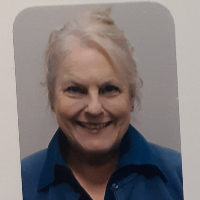
Perry Martin
LMFT
Works with Stress, Anxiety, Trauma and abuse, Grief and 9 more
Location Texas 4 years in practice
Gottman Method therapist directory
1,409 therapists list stress & anxiety among the things they work with. All offer sessions online, and every profile shows the registering body, the membership number and when it runs to.
Browse listings of counselors who list stress and anxiety among their specialties on Gottman Therapists. Review profiles below to learn about different approaches, credentials, languages and experience as you explore options.
LMFT
LPC
LCSW
LCSW
LCSW
LPC
LPC
LMFT
LCSW
LMFT
LPC-MH
LPC
LPC
AZ Psychologist
LMHC
LMHC, LMFT
LPC-MHSP
LCSW
LMFT
LMHC
LPC
LPC
LPC
LPC
LCSW
LMFT
LMHC
LMFT
LMHC
LMHC
IL Psychologist
LCSW
LMHC
LCSW
LPC
LPC
LCMHC
LMFT
NY Psychoanalyst
LMSW
LMFT
MD, LCPC
LMFT
LMHC
LMHC
LICSW, LCSW
Some links on this page are partner links. We will earn a commission if you sign up through one, at no cost to you. It does not change what you pay or the order of the listings.
Stress and anxiety are common emotional responses to life demands and perceived threats. Stress often arises when you face pressure at work, in relationships or during major life transitions. Anxiety can manifest as persistent worry, physical tension, trouble sleeping or a sense that something bad might happen. Both stress and anxiety exist on a spectrum - from occasional, manageable reactions to patterns that interfere with work, relationships or daily functioning.
You may notice that stress and anxiety show up in your thoughts, body and behavior. Thought patterns might include constant future-focused worry, rumination about past events or difficulty concentrating. Physically you could experience headaches, muscle tension, changes in appetite or tummy distress. Behaviorally you might withdraw from social situations, avoid tasks that cause worry or use substances to cope. Because these reactions affect many areas of life, they are often best addressed with a combination of short-term coping strategies and longer-term skill building.
You may benefit from working with a counselor if stress or anxiety is lasting longer than you expect, worsening over time or affecting your ability to function. If you find that worry prevents you from meeting responsibilities, that panic or intense fear interrupts daily activities, or that physical symptoms persist despite medical evaluation, talking with a therapist can help you explore options. Therapy is also useful when stress or anxiety influences your relationships - causing conflict, withdrawal or difficulty connecting with others.
Other signs include when coping strategies stop working, when you rely heavily on avoidance, or when sleep, appetite and energy are consistently disrupted. You might feel stuck in repetitive thought patterns or notice that negative predictions shape your decisions. Therapy can offer a space to slow down those cycles, learn effective techniques to reduce symptoms and build habits that support longer-term resilience. Seeking help does not imply something is wrong with you - it signals a readiness to develop new tools and perspectives.
In the first sessions you can expect the therapist to ask about your current concerns, daily routines, medical history and any prior experience with counseling. You will likely discuss how stress and anxiety affect your life, what patterns you want to change and what goals feel realistic. Sessions often balance listening and assessment with collaborative planning so that you and the therapist can choose methods that fit your needs and preferences.
Therapy for stress and anxiety typically combines practical skills practice with deeper work on the thoughts and habits that maintain unease. You may learn breathing and grounding techniques to manage immediate symptoms, and you may practice ways to challenge unhelpful thought patterns. Over time you will often build a toolkit that includes behavioral experiments, exposure practices when avoidance is an issue, and strategies to strengthen sleep, routines and social supports. Progress can be gradual, and many clients find that steady practice between sessions is an important part of change.
Therapists who list cognitive-behavioral approaches among their methods focus on identifying and changing the thoughts and behaviors that maintain anxiety. These approaches often include structure, homework assignments and measurable goals. Therapists who list acceptance-based methods may emphasize noticing thoughts and feelings without judgment and building a values-driven life even when discomfort remains. Mindfulness-informed approaches help you develop present-moment awareness and reduce reactivity to anxious thoughts and bodily sensations.
There are also therapists who list exposure strategies among their approaches to help you gradually face feared situations in a planned and supported way. Others might list relational or systemic approaches that explore how family, work and cultural dynamics shape stress responses. Some therapists incorporate body-centered practices or relaxation training to address the physical aspects of anxiety. When reviewing profiles, look for language that reflects both the focus you want - such as coping skills or deeper processing - and an explanation of how the therapist typically works in sessions. Remember that a listed approach indicates the therapist uses that method, not necessarily a formal credential in it.
Online therapy makes it possible to work with counselors through video sessions, phone calls or text-based messaging. When you choose online work you can meet with a counselor from a comfortable environment of your choosing. Many people find online sessions convenient for balancing work, family and travel, and the remote format can also broaden the range of therapists you can connect with, including those who offer services in different languages or have particular experience.
Initial online sessions typically mirror in-person intake steps - assessment of concerns, background information and collaborative goal setting. You may receive digital worksheets, guided audio exercises or practice assignments to use between sessions. For some techniques, such as exposure or behavioral experiments, your therapist will help you design tasks that fit your day-to-day life and can be completed outside the session. Discuss with a prospective therapist how they handle session notes, scheduling and the communication style that works best for you. If you prefer a combination of in-person and online sessions, some therapists describe offering both formats, which you can identify while browsing profiles.
Start by clarifying what you want from therapy. Do you need brief skills to manage acute stress, or are you looking to explore longstanding patterns that contribute to anxiety? Knowing whether you prefer a structured, skill-focused approach or a more exploratory style will help you narrow your search. Look at therapist profiles to compare focus areas, stated approaches, credentials and languages. Profiles often describe experience with specific populations or life stages - for example, young adults, parents, or professionals - and that can be an important match point for your needs.
Pay attention to how therapists describe their method and session structure. Some profiles note whether sessions include homework, whether they incorporate mindfulness or relaxation practices, and how they support clients through exposure or behavioral change. Consider practical fit as well - session length, fee range, payment options and whether they offer remote sessions in addition to in-person work. You may also want to read how a therapist frames collaboration, goal setting and progress tracking to get a sense of whether their style aligns with how you like to work.
When you find profiles that resonate, prepare a short list of questions to ask during an initial contact message or consultation. Ask about the therapist's experience with stress and anxiety, how they typically structure sessions for people with your concerns, and what kinds of skills you might expect to practice. You can also inquire about their approach to measuring progress. Trust your sense of connection - a good match often comes down to feeling heard and understood. If a profile mentions languages or cultural expertise that matter to you, prioritize those factors. Taking time to compare approaches, credentials and experience increases the chance that you will find a therapist whose style and perspective fit your needs.
Use the listings above to explore counselors who list stress and anxiety among their specialties. Read profiles for detailed descriptions of approaches and experience, and reach out to therapists whose descriptions align with the kind of support you want. Choosing a therapist is a personal process - taking a few thoughtful steps can help you find a collaborative match for the work ahead.