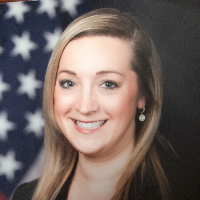
Cheryl Marrow
LPC, LMFT
Works with Addictions, Relationship, Family and 5 more
Location District of Columbia 25 years in practice
Gottman Method therapist directory
4 therapists based in District of Columbia name the Gottman Method among their approaches. Sessions are online; a therapist can usually only see people in the states where they hold a license, so check the license line on each profile.
Welcome to our directory of online therapists serving the District of Columbia. All therapists listed here are licensed practitioners who list a variety of approaches and specialties. Explore profiles to learn more about credentials, focus areas, languages, and how a clinician's background may fit your needs.
LPC, LMFT
LICSW
LPC
LICSW
Some links on this page are partner links. We will earn a commission if you sign up through one, at no cost to you. It does not change what you pay or the order of the listings.
If you are living in the District of Columbia, online therapy has become a common option for connecting with trained mental health professionals. Many clinicians who work with DC residents offer sessions over video or phone, and you will find therapists who list different approaches such as cognitive-behavioral methods, psychodynamic perspectives, family systems work, and trauma-oriented modalities. Because rules about where a clinician may practice are set by licensing authorities, therapists who provide services to people located in DC should hold a valid DC license appropriate to their profession. That makes it easier to find someone whose practice aligns with local regulations and standards.
Online therapy can come in a range of formats. Some therapists focus on individual counseling, while others emphasize couples or family work. Clinicians often describe specialties on their profiles, including areas like anxiety, depression, relationship stress, life transitions, grief, and trauma. When you review listings, you can use those descriptions to narrow your search to therapists who list the issues and approaches that matter most to you. Profiles also typically include information about languages spoken and professional credentials, which can be helpful as you weigh who might be a good fit.
Online therapy offers practical benefits that often matter in a busy urban environment. You can avoid commute time and find a clinician whose specialty matches your needs even if their office is on the other side of the city. For people juggling work, family, or school in DC, the flexibility of remote sessions can make it easier to maintain a regular therapy routine. You may also find clinicians who list niche specializations or language skills that are not readily available nearby, giving you access to a broader pool of professionals.
Another notable advantage is consistency. If your schedule shifts due to a new job, travel for family reasons, or changes in transit, the ability to meet online can help you keep momentum in therapy. Many people also appreciate the chance to work with a therapist whose background aligns with their identity or life experience, and the online format expands the geographic range of clinicians you can consider. While online therapy may not be the right choice for every situation, it can be an effective way to begin addressing concerns and building a therapeutic relationship that fits your circumstances.
Therapists who work with DC residents typically address a wide variety of concerns. Many list anxiety and depression as frequent focus areas, offering approaches aimed at managing symptoms, improving mood, and developing coping strategies. Relationship and family issues are also common topics, with clinicians describing experience in couples counseling, communication work, and conflict resolution. For people navigating life transitions - such as a career change, relocation, or becoming a parent - therapists can provide support as you reorient and set goals.
Trauma, grief, and stress-related conditions are other reasons people seek therapy. Some therapists list trauma-informed approaches and techniques among their tools, while others highlight work with chronic stress, burnout, or adjustment difficulties. There are clinicians who emphasize work with specific populations, including adolescents, older adults, LGBTQ+ individuals, and people from diverse cultural backgrounds. When you review profiles, look for how a therapist describes the scope of their practice and the kinds of problems they commonly address, because that helps you gauge whether their focus aligns with what you want to work on.
Verifying a clinician's license is an important step when you are considering online therapy in DC. Begin by finding the license number and the listed licensing board on the therapist's profile. Most professional profiles include a license type or designation such as psychologist, clinical social worker, marriage and family therapist, or professional counselor. Armed with that information, you can search the District of Columbia's official professional licensing lookup tools to confirm that the license is current and in good standing.
The licensing record will typically show the license issue and expiration dates, the current status, and any public disciplinary actions. If you have questions after checking the online record, you can contact the appropriate licensing board or agency directly to request clarification. It is also reasonable to confirm that the license type matches the services the therapist offers. For example, if a clinician lists couple therapy, you can verify that their scope of practice in DC includes the modalities they describe. Taking these steps helps you make an informed decision and ensures that the professional you choose is authorized to practice with people located in the District.
Getting started with online therapy begins with a clear sense of what you hope to accomplish. Take a moment to identify your priorities - whether you want short-term support for a specific issue, help managing symptoms, or longer-term work on patterns and relationships. Use the directory to compare therapist profiles by approach, specialty, languages spoken, and professional background. When a profile mentions specific modalities, keep in mind that the listing reflects the approaches a clinician uses rather than formal endorsements or guarantees about outcomes.
As you narrow your options, consider practical factors that will influence the fit. Think about the style of therapy you prefer - whether you want a structured, goal-focused approach or a more exploratory, reflective process. Pay attention to descriptions of populations the therapist works with, as well as any notes about cultural competency or experience with particular life stages. Language is also important; if you prefer to speak in a language other than English, look for clinicians who list that language on their profile. Finally, clarify logistical details before your first session, such as session length, methods of communication, payment options, and whether the clinician works with insurance. These elements shape the practical experience of therapy and help you maintain continuity in your work.
Choosing a therapist is a personal process and may take time. It is reasonable to reach out to more than one clinician to learn about their approach and whether it resonates with you. Trust your impressions about whether you feel understood and respected when you interact with a therapist, because a good working relationship is central to progress. If something does not feel like the right fit, you can continue exploring profiles until you find someone whose combination of experience, approach, and communication style aligns with your needs. The directory is designed to give you the information you need to compare focus areas, credentials, languages, and professional experience in a single place, making it easier to take the next step toward support.