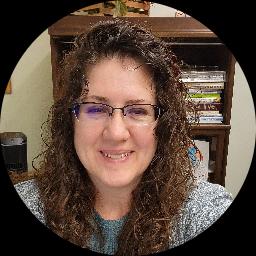
Jeanette Trotter, LCPC
Therapist in Illinois
Jeanette Trotter is an Illinois licensed counselor with 23 years of experience.
- License 180.007503 · Illinois Expires March 2027
- NPI 1689024853 · national registry
- Experience and languages 23+ years in practice English
Details are as listed on the therapist's public professional profile. You can check any license with the state board and any NPI with the national registry.
About Jeanette
Jeanette Trotter is an Illinois licensed counselor with 23 years of experience. She offers straightforward, respectful care for people feeling overwhelmed by stress, anxiety, mood shifts, and major life changes. Jeanette speaks plain language and focuses on practical steps you can try between sessions.
Her work blends methods that help people improve day-to-day coping and communication. She uses Gottman Method ideas for relationship patterns, cognitive behavioral techniques to challenge unhelpful thoughts, and client-centered conversation to keep the session focused on your goals.
Background and approach
Dialectical behavior therapy skills are also part of her toolbox for managing intense emotions and building new routines. Jeanette adapts each plan to the person in front of her. That means listening first, then suggesting concrete tools like thought records, behavioral experiments, or communication exercises.
Sessions may include role practice, simple homework, and strategies to reduce panic and improve mood. She has worked with people dealing with bipolar disorder, depression, panic attacks, post-traumatic stress, and social anxiety. Jeanette also helps people facing workplace stress, forgiveness questions, and searching for life purpose.
Sessions are offered in English and delivered online by video, phone, live chat, or text messaging. The intake process begins with a brief matching questionnaire and scheduling once the Start Therapy steps are completed.
Credentials
- LCPC (Illinois)
- License 180.007503 · expires March 2027
- NPI
- 1689024853 · national provider identifier
Both are public records. A state board register will confirm a license and its standing, and the national registry will confirm an NPI. This directory copies what the therapist lists and checks neither.
Focus areas and approaches
Everything Jeanette lists on their public professional profile, in their own terms.
- Stress, Anxiety
- Relationship issues
- Bipolar disorder
- Depression
- Coping with life changes
- Communication problems
- Forgiveness
- Life purpose
- Mood disorders
- Panic disorder and panic attacks
- Post-traumatic stress
- Social anxiety and phobia
- Workplace issues
Approaches Jeanette names
- Gottman Method
- Client-Centered Therapy
- Cognitive Behavioral Therapy (CBT)
- Dialectical Behavior Therapy (DBT)
These are the approaches Jeanette names on their own professional profile. Naming an approach is not evidence of training or certification in it, and this directory checks no training records. Ask directly if it matters to you.
Online support
How therapeutic approaches translate to online work
Jeanette uses a mix of practical approaches that adapt well to remote sessions. Gottman Method ideas focus on identifying communication patterns and teaching clearer ways to talk and listen, which can be practiced in live video or phone sessions. Client-centered therapy emphasizes listening and reflecting so the therapist follows your lead and helps you clarify goals and concerns. Cognitive Behavioral Therapy, or CBT, breaks problems into thoughts, feelings, and actions and teaches concrete tools like thought records and behavioral experiments you can try between sessions.Choosing the right approach is a collaborative process. Jeanette will ask about your goals, how symptoms affect daily life, and what techniques feel most useful. Together you decide which methods to emphasize and adjust the plan as you try things and report back on what helps.
Online formats - video, phone, live chat, and text-based messaging - make it easier to fit therapy into busy lives. Video enables role practice and visual cues, phone works well when bandwidth is limited or a shorter check-in is needed, live chat suits quick reflections or written exercises, and messaging supports ongoing check-ins and skill practice between sessions. These options provide flexibility so therapy can match your schedule and needs.
We will earn a commission if you sign up through our link, at no cost to you. It does not change what you pay or the order of the listings.
Frequently asked
What kinds of problems does this therapist address?
Jeanette supports people dealing with stress, anxiety, relationship concerns, bipolar disorder, depression, and coping with life changes. She also focuses on communication problems, forgiveness, life purpose, mood disorders, panic, PTSD, social anxiety, and workplace issues.
What is her general therapeutic style?
She combines client-centered conversation with practical techniques from CBT and DBT, and incorporates Gottman Method ideas for relationship patterns. Sessions aim to be collaborative and focused on skills you can use between meetings.
How much clinical experience does she have?
She has 23 years of professional work experience supporting people with mood, anxiety, and relationship-related concerns.
Where is she licensed and based?
She holds an Illinois Licensed Clinical Professional Counselor credential, abbreviated LCPC, and practices from Illinois.
Are sessions offered in other languages or internationally?
Sessions are offered in English. International clients are not currently accepted.
What session formats are available?
Therapy is available by video calls, phone sessions, live chat, or text-based messaging to fit different schedules and preferences.
How are costs handled?
Cost varies with location and therapist availability and sessions use a subscription model that can be canceled at any time.
How do I begin working with her?
Start by selecting the Start Therapy button, complete a short matching questionnaire, and then schedule according to therapist availability.
More therapists in Illinois
See all
Dr. Akamin Nkengaka
LCSW
Dr. William Keating
IL Psychologist
Margaret Couch
LCSW

Regina Hughes
LCPC
Is this your profile?
Ask us to correct details or take the page down.