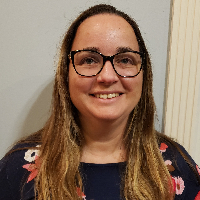
Ammarritta Simpson
LCSW
Works with Stress, Anxiety, Trauma and abuse, Grief and 12 more
Location New Jersey 6 years in practice
Gottman Method therapist directory
26 therapists based in New Jersey name the Gottman Method among their approaches. Sessions are online; a therapist can usually only see people in the states where they hold a license, so check the license line on each profile.
Welcome to Gottman Therapists' directory for online therapy serving New Jersey. All therapists listed on this page hold state licenses to practice.
Explore profile listings to compare specialties, therapeutic approaches, credentials, and languages to find a strong match for your needs.
LCSW
LMHC, LPC
LMFT
LPC-MHSP, LPC
LCSW
LCSW
LMFT
LCSW
LMFT
LPC
LPC
LPC, LMHC
LCSW
LCSW
LPC
LPC
LPC
LPC, CSW
LCSW
LMFT
LPC
LCSW
LPC
Some links on this page are partner links. We will earn a commission if you sign up through one, at no cost to you. It does not change what you pay or the order of the listings.
Online therapy in New Jersey has become a common option for people seeking mental health and relationship support. Licensed clinicians across the state offer remote sessions by video and, in some cases, by phone, so you can connect from home, work, or another comfortable environment. Many practitioners describe their services, approaches, and areas of focus on directory profiles, which makes it easier to identify clinicians who work with the kinds of concerns you want to address. New Jersey allows clinicians to provide teletherapy to residents when the clinician holds the appropriate state license and follows regulatory guidance. That framework means you can expect services from practitioners who identify themselves with state-approved credentials and who outline how they work in an online format.
As you review listings, you will notice a range of approaches mentioned by therapists. Some list Gottman-informed methods among their approaches, while others list cognitive behavioral therapy, psychodynamic work, acceptance and commitment approaches, trauma-focused modalities such as EMDR among their approaches, or integrative practices that draw on several traditions. Listings typically include information about the populations a therapist works with - for example, individuals, couples, families, teenagers, or adults - and frequently note languages spoken and professional credentials. That information helps you narrow options before you reach out to learn more.
Online therapy offers practical advantages that can fit into a busy New Jersey schedule. You save commuting time and the unpredictability of travel across the state, and you can arrange sessions around work, family, and school commitments. For people who live in areas with fewer nearby clinicians, remote therapy broadens your choice set so you can connect with practitioners who focus on particular issues or who speak your preferred language. Many find that the convenience of meeting from a comfortable environment supports consistency, which is often a key part of making progress in therapy.
Beyond convenience, remote therapy can change the way you engage with treatment. Some people find it easier to open up when they are in their own home, while others appreciate the flexibility to schedule brief check-ins or longer sessions without the need for travel. Online formats also make it simpler to include people who live apart for couples work or to coordinate care across different providers. While remote therapy may not be the best fit for every situation, it can be an effective and accessible option for many New Jersey residents who want to work on relationship concerns, mood challenges, stress, grief, life transitions, or other personal goals.
When you review therapist profiles you will see a range of issues listed that clinicians commonly address in online sessions. Many practitioners list experience supporting people with anxiety, depression, stress management, relationship and marriage concerns, communication difficulties, parenting challenges, life transitions, and grief. Therapists who list trauma-focused approaches among their methods may work with survivors of past harm, offering strategies to manage symptoms and rebuild a sense of safety. Others may emphasize work with couples using approaches that focus on interaction patterns and emotional connection.
Therapists also often indicate whether they work with specific populations such as adolescents, adults, older adults, or LGBTQ+ clients, and whether they provide family or couple counseling. If you have a particular concern - for example, perinatal mood and anxiety, workplace stress, or behavioral issues in a teen - look for profiles that mention those focus areas. Remember that a therapist’s listing of an approach does not substitute for a conversation about how they apply that approach in practice. Use profiles to narrow possibilities and then ask questions about methods, session structure, goals, and how the clinician typically collaborates with clients.
Before you commit to working with any clinician, it is wise to confirm their license and standing with New Jersey regulatory authorities. You can verify licensure by searching the appropriate New Jersey licensing board’s online lookup. Each profession has its own licensing body - such as the board overseeing psychologists, social workers, professional counselors, or marriage and family therapists - and the public lookup allows you to confirm that a practitioner holds an active license and to review any public disciplinary history. When you search, check the exact license type listed, such as LCSW, LPC, PsyD, or PhD, and note the expiration date and any public notes regarding restrictions or disciplinary action.
When you view a clinician’s profile, it often includes a license number or the state board that granted the license. If that information is not listed, you can ask the clinician directly for the license number and the name of the licensing board. Having that information makes it straightforward to confirm licensure online. If you encounter any concerns during your verification, you can contact the board for guidance. Verifying licensure is a practical step that helps you understand the practitioner’s professional credentials and ensures they are authorized to practice in New Jersey.
Starting therapy online often begins with exploring profiles and identifying a few clinicians whose descriptions align with your needs. Look for details about the issues they address, the approaches they list, the populations they work with, and any languages they speak. Once you have a shortlist, reach out through the contact method provided on their profile to ask a few initial questions about how they conduct remote sessions. You might ask about session length, typical goal-setting practices, fees, insurance partnerships, and whether they offer a sliding scale. These practical details help you decide whether to proceed to an initial appointment or consultation.
When you prepare for your first online session, set aside a quiet, quiet space in your home or another setting where you can focus without interruption. Test the technology ahead of time - check your camera, microphone, and internet connection - so the session can begin smoothly. Plan to discuss your reasons for seeking therapy, any goals you have, relevant history, and what you hope to accomplish. A good intake conversation lays the groundwork for collaboration, allowing you and the clinician to agree on aims, meeting frequency, and ways to measure progress. If you have questions about records, billing, or how emergencies are handled, raise them during the initial conversation so expectations are clear.
Choosing a therapist is a personal process that balances practical considerations with interpersonal fit. Start by identifying the priorities that matter most to you - such as a clinician’s experience with relationship work, trauma-informed approaches, or comfort working with diverse identities. Pay attention to the language used in profiles and how clinicians describe their approach. Some therapists emphasize evidence-informed techniques, emotion-focused work, or interpersonal dynamics. Others may highlight a collaborative style or a focus on skill-building.
Consider practical factors such as session length, fees, insurance participation, and whether the clinician speaks your preferred language. If cultural competence or shared lived experience is important to you, search for clinicians who note experience with particular communities. When you contact a clinician, pay attention to how they respond to your questions and whether their communication style feels respectful and clear. It is reasonable to try a few initial meetings to sense whether the rapport feels right. You do not need to make a long-term commitment after a single session - therapy is most effective when you feel that you can work collaboratively with your clinician toward meaningful goals.
Finding the right online therapist in New Jersey may take time, but the directory is designed to help you compare profiles and approaches so you can begin that process with information. Use the tools available to verify licensure, review approaches and specialties, and select clinicians whose descriptions align with your needs. Taking these steps increases the likelihood that you will find a therapist who fits your priorities and supports the work you want to do.