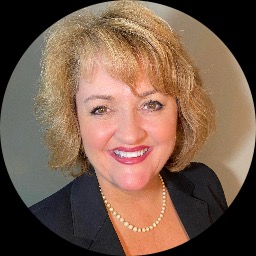
Ashley Hutchens
LICSW, LCSW
Works with Stress, Anxiety, Relationship, Family and 15 more
Location West Virginia 7 years in practice
Gottman Method therapist directory
8 therapists based in West Virginia name the Gottman Method among their approaches. Sessions are online; a therapist can usually only see people in the states where they hold a license, so check the license line on each profile.
Welcome to our directory of online therapists serving West Virginia. All therapists listed on this page are licensed in West Virginia and include providers who list Gottman approaches among their methods. Explore the profiles below to compare credentials, approaches, languages, and focus areas that match your needs.
LICSW, LCSW
LPC, LMHC
LICSW
LCSW
LPC
LISW, LICSW
Some links on this page are partner links. We will earn a commission if you sign up through one, at no cost to you. It does not change what you pay or the order of the listings.
If you live in West Virginia and are considering online therapy, you will find that many licensed mental health professionals offer remote services to people across the state. State licensure determines who may provide counseling and psychotherapy in West Virginia, so the therapists you see listed here are licensed to practice within the state. Online therapy in West Virginia has expanded in recent years, creating more ways for you to connect with counselors, social workers, psychologists, and marriage and family therapists from your own home or another comfortable environment. The structure of an online session can resemble an in-person appointment, with a scheduled start time, a conversation about your goals, and follow-up planning. Technology requirements are usually modest - a device with a camera and microphone and a reliable internet connection are often sufficient - but platforms and features vary between providers.
When you consider online care, it helps to be aware of legal and ethical expectations that apply to clinicians practicing in West Virginia. Licensed practitioners must follow state rules about recordkeeping, mandated reporting, and professional conduct. If you are outside West Virginia, note that state laws about providing therapy across state lines can be different, and many clinicians limit their practice to clients who are physically located within the state where they hold a license. Understanding these boundaries will help you make informed decisions as you explore profiles and descriptions on this site.
Online therapy can offer several practical advantages for West Virginia residents. For people who live in rural areas or small towns where specialized mental health services may be limited, remote sessions remove geographic barriers and make it easier to find clinicians who describe experience with particular issues or methods. If your schedule is full or transportation is a challenge, virtual sessions reduce travel time and allow you to build therapy into your routine with less disruption. You can also choose a clinician who speaks your language or who lists experience working with people from similar cultural backgrounds, increasing the likelihood that you will feel understood.
The setting you choose for a session matters. You might close the door to a home office or sit in your car between errands, making sure you have a quiet space for the discussion. Many people find that being able to meet from a familiar environment helps them feel more comfortable and opens conversation more quickly. Technology also supports continuity of care when life circumstances change - moving to a different part of the state, for example - allowing you to maintain a relationship with a clinician who understands your history and goals.
Online therapists in West Virginia work with a wide range of concerns that people bring to counseling. You can expect clinicians to describe focus areas such as anxiety and depression, relationship challenges, grief and loss, parenting and family dynamics, trauma recovery, life transitions, stress related to work or school, and support for major life decisions. Some therapists emphasize couples work or relationship skills and will list approaches they use, including Gottman-informed methods among others. Others describe experience supporting people through chronic health issues, adjustment after a major move, or the practical stressors associated with rural living and caregiving responsibilities.
Therapists often describe the populations they work with and the types of sessions they offer, such as individual, couples, family, or group formats. Language options and cultural competence are important elements to review if those are meaningful to you. When a clinician lists specific methods, remember that this reflects how they describe their practice rather than a formal certification implied by the listing. Reading therapists' profile descriptions can give you a sense of how they approach problem solving and what you might expect from sessions.
Verifying a therapist's license is a practical step you can take before beginning work with someone. State licensing boards publish license details and disciplinary history so you can confirm that a practitioner is authorized to practice in West Virginia. Start by locating the appropriate West Virginia licensing board for the therapist's profession - for example, the board that oversees counselors, social workers, psychologists, or marriage and family therapists - and use the board's license lookup tool to search by name or license number. The public record will typically show license status, expiration date, and whether any formal actions have been taken.
If you see professional titles on a profile, such as licensed clinical social worker, licensed professional counselor, psychologist, or marriage and family therapist, you can match those titles to the relevant board's directory. You can also confirm educational institutions and degree types listed in a profile. If you have questions about what you find in a record, the licensing board's contact information will be available for follow-up. Taking a few minutes to verify credentials helps you feel more informed and ensures that the clinician meets state standards for practice.
Beginning online therapy is a process you can shape to fit your needs. Start by clarifying what you hope to get from counseling - whether that is symptom relief, help with a relationship, strategies for managing stress, or support during a life transition. Review therapist profiles to identify clinicians who list experience with your concerns, mention approaches that resonate with you, and offer session formats that fit your preferences. Prepare for your first contact by noting questions about session length, fees, accepted payment methods, insurance, and the general process for how the clinician structures treatment. When you make an initial inquiry, you can ask about session format, what to expect in an initial appointment, and any paperwork or intake steps they use.
Choosing a therapist involves both practical and personal considerations. Look for a clinician whose background and approach align with your goals, but also pay attention to how you feel when you read their profile. Language matters - if cultural understanding, religious perspective, or experience with a particular population is important to you, note which therapists mention those aspects. If a therapist lists Gottman approaches among their methods, that suggests an emphasis on relationship assessment and skill-building in couples work. Consider whether you prefer a therapist who emphasizes evidence-informed strategies or one who highlights a more exploratory, insight-focused style. Also assess logistical factors that matter to you, such as session length, whether notes will be shared, and how they handle ongoing planning and progress review.
Finally, trust your instincts about fit. It is normal to try more than one clinician before you find someone you connect with. You are entitled to ask clear questions about a therapist's typical process for working with issues like yours and how they measure progress. Taking time to match with a clinician whose communication style and therapeutic focus align with your needs increases the chances that therapy will be productive and feel worthwhile.
By understanding how online therapy works in West Virginia, verifying licenses through state resources, and using clear criteria to choose a clinician, you can make an informed decision about where to begin. Use the listings on this site to explore different licensed therapists who list Gottman approaches and other methods, read profile details carefully, and reach out with your questions so you can start a process that supports your goals.