
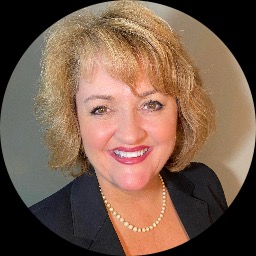
Anna Lehew Kelley, LCSW
Therapist in West Virginia
Anna Lehew Kelley is a Licensed Clinical Social Worker (LCSW) with 12 years of experience.
- License DP00944454, I.2002312, L16001, 9637 · West Virginia, Ohio, Oregon, Tennessee Expires July 2026, August 2026, March 2027, January 2027
- NPI 1427564525 · national registry
- Experience and languages 12+ years in practice English
Details are as listed on the therapist's public professional profile. You can check any license with the state board and any NPI with the national registry.
About Anna
Anna Lehew Kelley is a Licensed Clinical Social Worker (LCSW) with 12 years of experience. She approaches sessions without judgment and partners with people to find practical steps forward. Anna aims to create a calm space where concerns can be named and a path mapped out.
She uses straightforward, collaborative methods to spot patterns that keep problems repeating. When needed she helps people change unhelpful thoughts and build skills for managing strong emotions.
Background and approach
Anna draws on a mix of relationship-focused and trauma-informed approaches, including the Gottman Method, to address conflicts and improve communication. Her background includes a Master of Social Work from the University of Pittsburgh, and licensure in West Virginia and Ohio. That clinical training informs her work with people dealing with stress, anxiety, depression, addictions, trauma, grief, parenting strain, ADHD, and life changes.
She also supports those facing divorce, infidelity, or challenges from service in the armed forces. In sessions she blends practical skill-building with close listening. Depending on what each person needs, she may introduce exercises for emotion regulation, structured problem solving, or ways to repair interactions with a partner.
The focus is on clear, doable steps rather than long lectures. People who choose her can expect a steady, collaborative approach that balances understanding with action. She helps clients decide what matters most, then works with them to try new ways of coping and connecting.
Credentials
- LICSW (West Virginia)
- License DP00944454 · expires July 2026
- LISW (Ohio)
- License I.2002312 · expires August 2026
- LCSW (Oregon)
- License L16001 · expires March 2027
- LCSW (Tennessee)
- License 9637 · expires January 2027
- NPI
- 1427564525 · national provider identifier
Both are public records. A state board register will confirm a license and its standing, and the national registry will confirm an NPI. This directory copies what the therapist lists and checks neither.
Focus areas and approaches
Everything Anna lists on their public professional profile, in their own terms.
- Stress, Anxiety
- Relationship issues
- Family conflicts
- Trauma and abuse
- Depression
- Addictions
- Grief
- Parenting issues
- Anger management
- Self esteem
- Coping with life changes
- ADHD
- Divorce and separation
- Drug and alcohol addiction
- Family problems
- First responder issues
- Infidelity
- Life purpose
- Veteran and Armed Forces Issues
- Post-traumatic stress
- Young adult issues
Approaches Anna names
- Gottman Method
- Attachment-Based Therapy
- Client-Centered Therapy
- Cognitive Behavioral Therapy (CBT)
- Dialectical Behavior Therapy (DBT)
- Eye Movement Desensitization and Reprocessing (EMDR)
- Motivational Interviewing
- Psychodynamic Therapy
- Solution-Focused Therapy
- Trauma-Focused Therapy
These are the approaches Anna names on their own professional profile. Naming an approach is not evidence of training or certification in it, and this directory checks no training records. Ask directly if it matters to you.
Online support
Therapeutic approaches for online relationship and trauma work
Anna often blends Gottman Method work with Attachment-Based and Client-Centered approaches. The Gottman Method focuses on improving communication and resolving recurring conflicts in relationships through practical exercises and structured conversations. Attachment-Based work looks at how early bonds shape current reactions and helps people build more supported ways of relating. Client-Centered Therapy emphasizes listening, empathy, and meeting people where they are so goals feel personally meaningful.Finding the right combination of approaches is collaborative. The therapist will listen to your goals, try a method, and adjust based on what helps. Clients and the therapist decide together whether to focus on communication skills, emotion regulation, trauma processing, or a mix of those elements.
Online therapy offers flexible ways to meet. Video calls allow face-to-face interaction for couples work or detailed skill practice. Phone sessions can be useful when bandwidth is limited or for a quick check-in. Live chat and text-based messaging work well for brief updates, homework, or when writing feels easier than speaking. These options make it simpler to fit sessions into busy schedules and maintain continuity of care.
We will earn a commission if you sign up through our link, at no cost to you. It does not change what you pay or the order of the listings.
Frequently asked
What problems does she help with?
She works with stress, anxiety, depression, trauma and abuse, addictions, grief, anger, self esteem, ADHD, parenting strain, and relationship or family conflict.
What is her therapeutic style?
Her style is collaborative and nonjudgmental, mixing skill building with close listening and practical solutions tailored to each person.
How much clinical experience does she have?
She has 12 years of clinical experience supporting people with mental health symptoms, trauma, addiction, and relationship challenges.
What credentials and location information are on file?
She holds a Master of Social Work and is a Licensed Clinical Social Worker (LCSW) licensed in West Virginia and Ohio, and is based in West Virginia.
Which languages are supported for sessions?
Sessions are offered in English.
What session formats are offered?
Therapy is available via video calls, phone sessions, live chat, and text-based messaging to suit different needs and schedules.
How are session costs handled?
Costs vary with location and therapist availability; sessions use a subscription model that can be canceled at any time.
How do I begin the process?
Start by selecting the Start Therapy button, complete a short matching questionnaire, and schedule sessions according to therapist availability.
More therapists in West Virginia
See all
Ashley Hutchens
LICSW, LCSW
Dr. Sara Lewis-Stankus
LPC, LMHC


Brittany Henderson
LICSW
Is this your profile?
Ask us to correct details or take the page down.