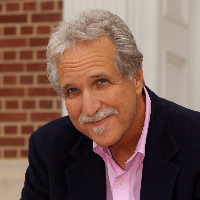
Rev. Rodney Kerr, LPC
Therapist in South Carolina
Rev.
- License 1366 · South Carolina Expires August 2027
- NPI 1174119275 · national registry
- Experience and languages 33+ years in practice English
Details are as listed on the therapist's public professional profile. You can check any license with the state board and any NPI with the national registry.
About Rodney
Rev. Rodney Kerr is an experienced counselor who blends relational and practical approaches. He uses Gottman Method principles alongside acceptance-based and cognitive techniques to help people facing stress, anxiety, relationship struggles, parenting strain, grief, and life transitions.
Rodney has worked in pastoral and professional counseling settings in South Carolina for over three decades. He holds a Master of Divinity and is a licensed professional counselor - LPC - with long experience supporting people through career change, addiction concerns, and intimacy-related issues.
Background and approach
In sessions he focuses on clear goals and practical steps. He pays attention to both strengths and areas people want to grow. That translates into skill-building, communication practice, and real-world action plans rather than abstract theory.
He draws on a mix of approaches including client-centered listening, cognitive behavioral techniques, acceptance and commitment ideas, and emotional work to help people manage anger, depression, sleep problems, and low self-esteem. He also addresses family of origin and fatherhood issues when they relate to current concerns. Rodney often uses assessment tools to clarify relationship patterns and personal strengths.
He works with people on commitment and communication problems, codependency, abandonment concerns, infidelity, and divorce and separation issues. He brings a pastoral background and coaching perspective to counseling, aiming to help people set achievable goals and make steady progress toward a more satisfying life.
Credentials
- LPC (South Carolina)
- License 1366 · expires August 2027
- NPI
- 1174119275 · national provider identifier
Both are public records. A state board register will confirm a license and its standing, and the national registry will confirm an NPI. This directory copies what the therapist lists and checks neither.
Focus areas and approaches
Everything Rodney lists on their public professional profile, in their own terms.
- Stress, Anxiety
- Relationship issues
- Family conflicts
- Career difficulties
- Coping with life changes
- Addictions
- Grief
- Intimacy-related issues
- Sleeping disorders
- Parenting issues
- Anger management
- Self esteem
- Depression
- Coaching
- Abandonment
- Codependency
- Commitment issues
- Communication problems
- Control issues
- Divorce and separation
- Emptiness
- Family of origin issues
- Family problems
- Fatherhood issues
- Forgiveness
- Guilt and shame
- Hospice and end-of-life counseling
- Infidelity
- Isolation / loneliness
- Jealousy
- Life purpose
- Men's issues
- Midlife crisis
- Mood disorders
- Self-love
- Sex addiction
- Workplace issues
- Young adult issues
Approaches Rodney names
- Gottman Method
- Acceptance and Commitment Therapy (ACT)
- Client-Centered Therapy
- Cognitive Behavioral Therapy (CBT)
- Dialectical Behavior Therapy (DBT)
- Emotionally-Focused Therapy (EFT)
- Existential Therapy
- Jungian Therapy
- Psychodynamic Therapy
- Solution-Focused Therapy
These are the approaches Rodney names on their own professional profile. Naming an approach is not evidence of training or certification in it, and this directory checks no training records. Ask directly if it matters to you.
Online support
Approaches that translate to online counseling
Gottman-informed work focuses on communication patterns and specific skills couples can practice. It helps people improve conversations, reduce conflict, and rebuild connection through repeated, practical exercises. Acceptance and Commitment Therapy, or ACT, emphasizes noticing thoughts and values-based action; it helps people move forward despite painful feelings by clarifying what matters and taking committed steps. Client-Centered Therapy centers on empathetic listening and respect for each person's perspective to create a supportive space for change.Finding the right approach is part of the process. The therapist will work collaboratively to identify which methods fit a client's goals, preferences, and day-to-day needs. That may mean combining relational exercises with CBT-style skills or using ACT strategies to manage anxiety while doing communication practice for relationships.
Online sessions are offered by video, phone, live chat, or text-based messaging to make therapy more flexible. Video calls let people practice conversations face-to-face. Phone sessions can be a straightforward check-in when video would be difficult. Live chat or text messaging can suit quick reflections, homework check-ins, or shorter support between longer sessions. These options make it easier to fit therapy into work, family, and caregiving schedules.
We will earn a commission if you sign up through our link, at no cost to you. It does not change what you pay or the order of the listings.
Frequently asked
What kinds of concerns does Rodney help with?
He helps people with stress, anxiety, relationship and family concerns, grief, addiction, career transitions, parenting, intimacy issues, sleep problems, anger, self-esteem, and depression.
What is his therapeutic style like?
He combines relational methods with practical techniques, focusing on goal-setting, communication practice, and actions clients can try between sessions.
How much experience does he have?
He brings 33 years of pastoral and professional counseling experience in a variety of South Carolina settings.
What credentials and location are listed?
He holds a Master of Divinity and is a licensed professional counselor (LPC) practicing in South Carolina.
Which languages are supported and can international clients work with him?
Sessions are offered in English and international clients are not currently accepted.
What session formats are available?
He works with video calls, phone sessions, live chat, and text-based messaging to suit different needs and schedules.
How are costs handled for sessions?
Cost varies with location and therapist arrangements; sessions use a subscription model that can be canceled at any time.
How do I begin working with him?
Begin by selecting the Start Therapy button, completing a short matching questionnaire, and then scheduling according to the therapist's availability.
More therapists in South Carolina
See all
Tanya Smith
LPC

Frances Patton
LMFT

Cynthia Byas
LMFT

Monique Gilcrest
LPC
Is this your profile?
Ask us to correct details or take the page down.