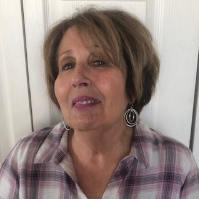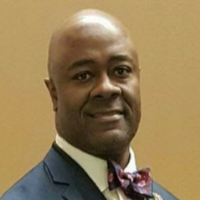
Perry Martin
LMFT
Works with Stress, Anxiety, Trauma and abuse, Grief and 9 more
Location Texas 4 years in practice
Gottman Method therapist directory
812 therapists list infidelity among the things they work with. All offer sessions online, and every profile shows the registering body, the membership number and when it runs to.
This directory highlights therapists who work with individuals and couples navigating infidelity and relationship betrayal. Browse the profiles below to compare approaches, credentials, languages, and experience before reaching out.
LMFT
LPC
LPC
LMFT
LMFT
LPC-MH
LPC
LPC
AZ Psychologist
LMFT
LMFT
LCSW
LPC
LPC
LPC
LPC
LPC
LCSW
LMFT
LMHC
LMHC
IL Psychologist
LMHC
LCSW
LPC
LPC
LMFT
NY Psychoanalyst
LMSW
LMFT
LMHC
LPC
LCPC
LPC
LPC, LMFT
LMFT
LMFT
LPC
LCSW
LPC
LPC
LPCC
LCSW
Some links on this page are partner links. We will earn a commission if you sign up through one, at no cost to you. It does not change what you pay or the order of the listings.
Infidelity can take many forms - from one-time sexual encounters to ongoing emotional connections, secret financial behavior, or digital affairs. The experience of betrayal often triggers a wide range of reactions, including shock, anger, grief, shame, and confusion. You may notice shifts in how you view yourself, your partner, and the relationship's future. For some people the primary wound is the loss of trust; for others it is the sudden upheaval of daily routines and decisions that were once taken for granted. The meaning of the breach matters as much as the act itself, and that meaning is shaped by history, cultural expectations, personal boundaries, and the context that led to the betrayal.
Because infidelity affects people on emotional, relational, and sometimes practical levels, recovery tends to involve multiple threads. You might be processing immediate emotional reactions while also making long-term decisions about commitment, co-parenting, finances, and living arrangements. It is common to experience symptoms that interfere with work, sleep, or social life. Therapy for infidelity often addresses both the acute crisis and the underlying patterns in the relationship that contributed to vulnerability. Whether you decide to rebuild the partnership or to separate, therapy can support clearer decision making, healthier communication, and a measured approach to repair or transition.
If the discovery of an affair or betrayal feels overwhelming, therapy may provide a structured place to gain perspective. You might be considering therapy if you notice persistent intrusive thoughts, intense anger that is hard to regulate, unrelenting sadness, or repeated attempts to avoid conversations about what happened. Therapy can also help when you and your partner find yourselves stuck in blame cycles, unable to discuss the details without escalating, or when attempts to restore trust keep running into setbacks. Even if only one partner wants therapy, individual sessions can help that person process feelings, clarify values, and prepare for conversations with the other partner.
Beyond acute distress, you may benefit from therapy if the infidelity has highlighted enduring patterns - such as emotional distance, avoidance of conflict, or mismatched expectations - that you want to understand and change. People often come to therapy with practical needs as well: guidance on how to set boundaries, manage contact with a third party, handle co-parenting after a separation, or repair sexual intimacy. Choosing to work with a therapist can be a step toward regaining a sense of agency, whether your goal is reconciliation, redesigning the relationship, or creating a new path forward independently.
In the first several sessions, a therapist typically helps both partners and any individual client map out what happened, what each person needs right now, and what short-term safety or boundary measures are necessary. You can expect an exploration of emotions, factual events, and the meanings each person attaches to them. Therapists often prioritize stabilization - reducing immediate distress and creating a plan for difficult conversations - before moving into deeper relational work. This stage may include setting rules for transparency, establishing communication guidelines, and agreeing on how to discuss the affair in therapy.
As the work progresses, therapy usually shifts toward processing the impact of the betrayal and building skills for rebuilding trust or navigating a separation. You may practice communication techniques that reduce reactivity, learn how to express hurt without escalating blame, and explore ways to repair intimacy. Therapists frequently assign between-session work to help couples practice new patterns in everyday life. Individual sessions during this phase can support processing shame, identifying patterns that contributed to the relationship dynamic, and strengthening coping strategies.
Later in therapy you may focus on sustaining new behaviors, clarifying long-term decisions, and consolidating gains. If reconciliation is the goal, plans for rebuilding trust and maintaining accountability are developed. If separation is the chosen path, therapy can assist with boundaries, co-parenting plans, and emotional closure. Throughout, a therapist's role is to guide reflection, model constructive dialogue, and offer interventions that fit the specific needs of you and your partner.
Therapists bring a range of approaches to work on infidelity, and it is helpful to know how these methods frame the problem. Many therapists list couples approaches such as emotionally focused models that explore attachment needs and how core fears shape responses to betrayal. Others note systemic or relational frameworks that examine family patterns and interactional cycles that contributed to the breakdown in connection. Some practitioners include sex therapy when sexual issues are central to recovery, addressing desire, intimacy, and boundaries in practical ways.
You will also find therapists who list cognitive-behavioral methods among their approaches, which tend to focus on changing unhelpful thought patterns and behaviors that keep a crisis alive. Therapists who list trauma-informed or trauma-focused methods often emphasize the nervous system effects of betrayal, working to reduce hypervigilance, intrusive memories, and the physical symptoms that can accompany deep relational injury. It is common for clinicians to combine elements from different models - for example, using communication exercises drawn from one approach while addressing attachment needs through another. When reviewing profiles, look for therapists who describe an approach that resonates with how you want to work - whether that means emotion-focused repair, behavioral strategies for trust-building, or attention to sexual healing.
Online therapy can make it easier to connect with clinicians who list infidelity work among their focus areas, especially if local options are limited or if you need scheduling flexibility. Video sessions allow couples to meet together or for individuals to meet separately from their homes, which can make coordination simpler. If you plan to do joint sessions, it helps to consider logistics such as who will attend from which location, whether you need headphones for privacy, and how you will handle interruptions. Some therapists offer a mix of single-partner and joint sessions, which can be useful when one person needs space to process before engaging in couple work.
When choosing a therapist for infidelity, prioritize fit and approach over labels. Read profiles to see who lists infidelity, couples work, sex therapy, or trauma-focused methods among their areas of focus. Consider whether you prefer a therapist who emphasizes emotional processing, skill development, or practical problem solving. Language compatibility and cultural understanding matter, so look for clinicians who list languages or experience that align with your background. Practical concerns such as session format - in-person, video, or a mixture - and cost or insurance options are also important to weigh. Before committing, you might reach out to ask how the therapist typically structures infidelity work, whether they typically see couples and individuals, and how they handle safety issues or ongoing contact with a third party.
Ultimately the most helpful therapy is a collaborative match between your needs and a therapist's style. Take time to review profiles, reflect on what you need now, and choose a clinician who describes an approach that feels respectful of your values and goals. Whether you pursue repair or a different path, working with a therapist can offer a clearer, more intentional way forward after infidelity.