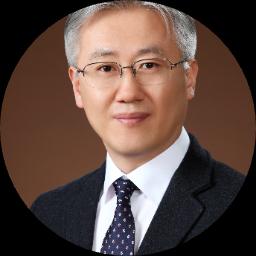
Dr. Sung Ho Kim, NY Psychoanalyst
Therapist in New York
Dr.
- License 000245 · New York Expires July 2026
- NPI 1750582086 · national registry
- Experience and languages 30+ years in practice English, Korean
Details are as listed on the therapist's public professional profile. You can check any license with the state board and any NPI with the national registry.
About Sung
Dr. Sung Ho Kim helps people who are anxious, grieving, or feeling stuck. He offers calm, steady support for stress, depression, trauma, and problems in relationships.
He speaks English and Korean and practices from New York with thirty years of clinical experience as a NY Psychoanalyst 000245. He listens first and starts by understanding what matters most to each person. Sessions focus on real-life struggles like communication breakdowns, social anxiety, low self-worth, and trouble finding purpose.
Background and approach
He uses practical tools alongside open conversation so clients can try things between sessions. His work draws on several proven approaches, including Gottman Method principles for relationship patterns, Acceptance and Commitment Therapy to clarify values and reduce avoidance, and Attachment-Based methods to look at how early bonds shape current feelings.
He also uses client-centered and cognitive behavioral techniques when they fit the client's goals. Dr. Kim often helps people manage complicated loss, trauma, chronic illness, caregiving stress, and challenges tied to adoption or attachment.
He pays attention to how culture and life history affect coping, and adapts the pace of therapy to each person. People who choose him can expect a respectful, steady space to talk, practice new ways of thinking and relating, and build coping skills. He works collaboratively to set goals and track progress over time.
Credentials
- Psychoanalyst (New York)
- License 000245 · expires July 2026
- NPI
- 1750582086 · national provider identifier
Both are public records. A state board register will confirm a license and its standing, and the national registry will confirm an NPI. This directory copies what the therapist lists and checks neither.
Focus areas and approaches
Everything Sung lists on their public professional profile, in their own terms.
- Stress, Anxiety
- Relationship issues
- Trauma and abuse
- Grief
- Depression
- Abandonment
- Adoption and foster care
- Aging and geriatric issues
- Antisocial personality
- Attachment issues
- Autism and Asperger Syndrome
- Avoidant personality
- Blended family issues
- Body image
- Cancer
- Caregiver issues and stress
- Chronic pain, illness, and disability
- Co-morbidity
- Codependency
- Commitment issues
- Communication problems
- Control issues
- Coping with natural or human-caused disaster
- Dependent personality
- Divorce and separation
- Domestic violence
- Drug and alcohol addiction
- Eating and food-related issues
- Emptiness
- Family of origin issues
- Family problems
- Fatherhood issues
- Fertility issues
- Forgiveness
- Gender dysphoria
- Guilt and shame
- Hoarding
- Hospice and end-of-life counseling
- Immigration issues
- Impulsivity
- Infidelity
- Intellectual disability
- Isolation / loneliness
- Jealousy
- Life purpose
- Men's issues
- Midlife crisis
- Veteran and Armed Forces Issues
- Money and financial issues
- Mood disorders
- Multicultural concerns
- Narcissism
- Obsessions, compulsions, and OCD
- Panic disorder and panic attacks
- Paranoia
- Personality disorders
- Phobias
- Polyamory / non-monogamous relationships
- Postpartum depression
- Post-traumatic stress
- Pregnancy and childbirth
- Prejudice and discrimination
- Process addiction (porn, exercise, gambling)
- Seasonal Affective Disorder (SAD)
- Self-harm
- Self-love
- Sex addiction
- Sexual assault and abuse
- Sexuality
- Smoking / vaping cessation
- Social anxiety and phobia
- Somatization
- Traumatic brain injury
- Women's issues
- Workplace issues
- Young adult issues
Approaches Sung names
- Gottman Method
- Acceptance and Commitment Therapy (ACT)
- Attachment-Based Therapy
- Client-Centered Therapy
- Cognitive Behavioral Therapy (CBT)
- Dialectical Behavior Therapy (DBT)
- Emotionally-Focused Therapy (EFT)
- Existential Therapy
- Eye Movement Desensitization and Reprocessing (EMDR)
- Imago Relationship Therapy
- Jungian Therapy
- Mindfulness Therapy
- Motivational Interviewing
- Narrative Therapy
- Psychodynamic Therapy
- Solution-Focused Therapy
- Somatic Therapy
- Trauma-Focused Therapy
- Internal Family Systems
- Systemic Therapy
These are the approaches Sung names on their own professional profile. Naming an approach is not evidence of training or certification in it, and this directory checks no training records. Ask directly if it matters to you.
Online support
Therapeutic approaches and online options
Dr. Kim uses Acceptance and Commitment Therapy to help people clarify what matters most and take actions that match their values, even when feelings are difficult. This approach can be useful for anxiety, depression, and finding direction in life.He also draws on Attachment-Based Therapy to examine how early relationships shape current patterns of trust, closeness, and emotional reactions. That work often helps with lingering relationship struggles and attachment issues.
Finding the right approach is collaborative. The therapist will discuss goals, try methods that fit those goals, and adjust the plan over time based on what helps most. Clients and clinician decide together which techniques to use and how to pace the work.
Online therapy offers practical flexibility. Video calls allow face-to-face conversation and visual cues. Phone sessions work when bandwidth is limited or a shorter check-in is needed. Live chat and text-based messaging are useful for brief check-ins, homework support, or when messaging fits a person’s routine. These options make it easier to schedule sessions around work, caregiving, or travel while keeping the focus on steady progress.
We will earn a commission if you sign up through our link, at no cost to you. It does not change what you pay or the order of the listings.
Frequently asked
What kinds of concerns does this therapist address?
Dr. Kim works with stress, anxiety, depression, grief, trauma and relationship problems, plus related areas like attachment, caregiving stress, chronic illness, and body image.
What is his therapeutic style like?
He combines listening with practical skills. Sessions mix open conversation with techniques to change unhelpful thinking and behavior.
How much clinical experience does he have?
He has thirty years of clinical experience and brings long-term practice working with a wide range of emotional and relational issues.
What credentials and location are listed?
He is listed as NY Psychoanalyst 000245 and practices in New York.
Which languages are used in sessions and can international clients join?
Sessions are offered in English and Korean, and international clients are accepted.
What session formats are available?
Therapy is offered via video calls, phone sessions, live chat, or text-based messaging to suit different schedules and needs.
How are fees handled?
Cost varies with location and therapist availability; sessions use a subscription that can be canceled at any time.
How do I begin working with him?
Click the Start Therapy button, complete a short matching questionnaire, and schedule a first session according to therapist availability.
More therapists in New York
See all
Taryn Santos
LMHC
Saudia Garnette
LCSW

Jesse Palermo
LCSW

Alona Perlin
LCSW
Is this your profile?
Ask us to correct details or take the page down.