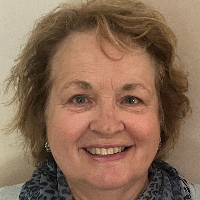
Deborah Hill, LMFT
Therapist in Tennessee
Deborah Hill is a licensed marriage and family therapist with 30 years of clinical experience.
- License 173 · Tennessee Expires April 2026
- NPI 1518030972 · national registry
- Experience and languages 30+ years in practice English
Details are as listed on the therapist's public professional profile. You can check any license with the state board and any NPI with the national registry.
About Deborah
Deborah Hill is a licensed marriage and family therapist with 30 years of clinical experience. She has worked in community mental health, inpatient alcohol and drug treatment, and sexual assault crisis services, and has run a independent practice for much of her career.
Deborah focuses on practical help for people facing relationship strain, parenting stress, addiction, grief, depression, anxiety, and major life changes. She encourages an early conversation about goals so clients know what to expect from sessions.
Background and approach
Her work often involves helping people manage anger, cope with loss, rebuild after separation, and improve communication. Deborah believes a strong working relationship is the best predictor of helpful therapy, so she pays attention to fit and rapport from the start. Deborah blends several approaches rather than following a single method.
Sessions may draw on Client-Centered ideas to center the client's perspective, Cognitive Behavioral Therapy to identify patterns that cause distress, and Solution-Focused techniques to set clear, achievable steps. The Gottman Method also informs her work with relationship concerns. Her style is interactive and tailored to what each person needs in the moment.
Some visits are reflective and exploratory, while others focus on concrete skills and short-term goals. She also points people toward community resources when those supports make sense. Clients meet Deborah for help navigating divorce, recovery from substance problems, healing after trauma, or adjusting to job and health changes.
She aims to help people develop tools they can use after therapy ends, so they feel more capable managing the challenges that brought them in.
Credentials
- LMFT (Tennessee)
- License 173 · expires April 2026
- NPI
- 1518030972 · national provider identifier
Both are public records. A state board register will confirm a license and its standing, and the national registry will confirm an NPI. This directory copies what the therapist lists and checks neither.
Focus areas and approaches
Everything Deborah lists on their public professional profile, in their own terms.
- Relationship issues
- Family conflicts
- Parenting issues
- Stress, Anxiety
- Addictions
- Trauma and abuse
- Grief
- Anger management
- Self esteem
- Depression
- Coping with life changes
- Codependency
- Communication problems
- Divorce and separation
- Drug and alcohol addiction
- Family problems
- Forgiveness
- HIV / AIDS
- Infidelity
- Isolation / loneliness
- Veteran and Armed Forces Issues
- Sexual assault and abuse
- Women's issues
Approaches Deborah names
- Gottman Method
- Client-Centered Therapy
- Cognitive Behavioral Therapy (CBT)
- Motivational Interviewing
- Solution-Focused Therapy
These are the approaches Deborah names on their own professional profile. Naming an approach is not evidence of training or certification in it, and this directory checks no training records. Ask directly if it matters to you.
Online support
How Deborah’s approaches translate to online work
Deborah uses the Gottman Method ideas to guide conversations about communication, conflict patterns, and rebuilding connection. That approach focuses on clear, practical steps people can try between sessions to change how they relate to one another.She also uses Client-Centered Therapy to keep the person’s experience central, listening closely and shaping sessions around what matters most. Cognitive Behavioral Therapy (CBT) is used to spot unhelpful thinking and try different behaviors to reduce anxiety, depression, or craving in recovery.
Choosing the right approach is a collaborative process. Deborah will talk with each person about goals and preferences, then adapt methods to match the situation. She often combines techniques and checks in regularly to see what is working and what needs changing.
Online formats include video calls, phone sessions, live chat, and text-based messaging. Video works well for deeper conversations and skill practice. Phone sessions can be easier when bandwidth is limited or when someone prefers not to be on camera. Live chat and text messaging can support brief check-ins, homework discussion, or quick motivation between longer sessions. These options make therapy more flexible and easier to fit into busy lives.
We will earn a commission if you sign up through our link, at no cost to you. It does not change what you pay or the order of the listings.
Frequently asked
What concerns does Deborah commonly address?
She helps people with relationship and family issues, parenting challenges, stress and anxiety, addiction, trauma and abuse, grief, anger, self-esteem, and depression.
What is her therapy style like?
Her style is interactive and tailored to each person. Sessions can be reflective or skills-focused depending on immediate needs and agreed goals.
How much clinical experience does she have?
Deborah has three decades of experience across community mental health, inpatient addiction treatment, sexual assault crisis work, and independent practice.
What credentials and location are listed?
She is a licensed marriage and family therapist - LMFT - practicing in Tennessee.
Which languages are supported and can she see international clients?
Sessions are offered in English and she is not currently accepting international clients.
What session formats are available?
Therapy is offered by video calls, phone sessions, live chat, or text-based messaging to suit different needs and schedules.
How are costs handled?
Cost varies by location and therapist availability; sessions are provided through a subscription model that can be canceled at any time.
How do I begin working with Deborah?
Choose the Start Therapy button, fill out a short matching questionnaire, and schedule sessions according to the therapist's availability.
More therapists in Tennessee
See all
Linda Hazel
LMFT

Debra Fitzgerald
LPC-MHSP

Dr. Weston Crafton
LMFT

Elizabeth Thomas
LMFT
Is this your profile?
Ask us to correct details or take the page down.