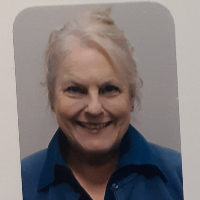
Perry Martin
LMFT
Works with Stress, Anxiety, Trauma and abuse, Grief and 9 more
Location Texas 4 years in practice
Gottman Method therapist directory
1,198 therapists list trauma and abuse among the things they work with. All offer sessions online, and every profile shows the registering body, the membership number and when it runs to.
This page provides listings of therapists who focus on trauma and abuse. Browse the listings below to compare approaches, credentials, languages, and experience to find a suitable match.
LMFT
LPC
LCSW
LCSW
LCSW
LPC
LPC
LMFT
LCSW
LMFT
LPC-MH
LPC
LPC
AZ Psychologist
LMFT
LMHC
LMHC, LMFT
LCSW
LMHC
LPC
LPC
LMFT
LPC
LPC
LCSW
LMFT
LMFT
LMHC
LMHC
IL Psychologist
LCSW
LMHC
LPC
LCSW
LPC
LCMHC
LMFT
NY Psychoanalyst
LMSW
LMFT
MD, LCPC
LMFT
LMHC
LMHC
LPC
Some links on this page are partner links. We will earn a commission if you sign up through one, at no cost to you. It does not change what you pay or the order of the listings.
Trauma and abuse refer to experiences that overwhelm a person’s ability to cope and can come from many sources. Trauma can result from single incidents such as accidents or assaults, or from repeated events such as ongoing emotional, physical, or sexual abuse. Abuse also includes neglect and patterns of coercive control that erode a person’s sense of safety and autonomy. These experiences affect people differently depending on age, support systems, prior stressors, cultural background, and access to resources.
The effects of trauma and abuse can be emotional, cognitive, behavioral, and physical. You may notice intense emotions like fear, shame, sadness, or anger that feel disproportionate to current circumstances. Memories or images of past events may intrude unexpectedly. Sleep and concentration can be disrupted, and you might find yourself avoiding places, people, or topics that trigger distressing memories. In some cases, people experience heightened reactivity or numbness, or they develop patterns of self-blame. It is common for relationships, work, and day-to-day functioning to be affected as you manage these responses.
If your reactions to past events interfere with how you want to live now, therapy can offer a structured place to address those effects. You might find that intrusive memories, flashbacks, or nightmares leave you exhausted. Persistent anxiety, panic, or a constant sense of being on edge may limit your ability to concentrate or participate in activities you once enjoyed. Avoidance is another common sign - steering clear of reminders of an event can feel like a short-term coping strategy but may impede healing over time. You might also notice changes in your relationships, such as difficulty trusting others, withdrawing from friends and family, or repeating harmful relationship patterns.
Other signs include heightened irritability, sudden mood shifts, or feelings of emptiness that are not relieved by routine supports. Some people turn to substances or other behaviors to manage overwhelming feelings. Others report a loss of identity or a sense of disconnection from oneself. If you are experiencing persistent shame, guilt, or self-blame related to an event, these emotional patterns are important to address with professional support. Therapy is not only for crisis moments; it can also be useful if you want to understand long-standing patterns and build different ways of coping.
Early sessions typically focus on building a working relationship and clarifying your goals for therapy. A therapist will ask about your history, the nature of your experiences, current symptoms, and what you hope to change. This assessment helps both of you decide which approaches may fit your needs. You will be able to discuss preferences for how to work together, including pacing and the kinds of interventions you are comfortable trying.
Therapists often prioritize creating a steady pace so you can process material without becoming overwhelmed. Sessions may include discussions about grounding techniques, coping strategies, and ways to manage distress between appointments. If you have concerns about your immediate safety or are in a high-risk situation, therapists will work with you to develop clear plans that help reduce harm. Therapy for trauma and abuse balances processing painful material with strengthening present-day coping skills so you gain more control over your reactions.
There is a range of approaches people seek out for trauma and abuse, and therapists often combine elements to match your unique needs. Some therapists emphasize processing traumatic memories through narrative or exposure-based methods, while others focus on building skills for emotional regulation, improving relationships, and restoring a sense of agency. Somatic approaches attend to body-based responses that accompany traumatic memories. Attachment-focused work looks at how early relationships shape patterns that may be activated in adult life. You can expect a therapist to explain which strategies they use and why those might be a helpful fit for you.
On directory listings you will find therapists who list EMDR among their approaches, therapists who list cognitive-behavioral methods, therapists who list somatic-focused approaches, and those who list relational or attachment-oriented work. Listing an approach does not automatically indicate uniform experience or training, so it is reasonable to ask a therapist about how they apply a given method in practice. You can inquire about how they adapt techniques for people with complex histories and what kinds of supports they use to maintain safety during processing.
Online therapy offers options that can fit different schedules and comfort levels. Many therapists offer video sessions, phone sessions, and asynchronous messaging. Video sessions allow for face-to-face interaction when you are not able to travel to an office. Phone sessions can be more accessible if bandwidth or privacy at home is a concern. Messaging can supplement synchronous work, offering opportunities to check in between sessions. If you choose online therapy, you should discuss with a therapist how to manage intense moments during or after a session, including having a plan for local supports and emergency resources in your area.
When selecting a therapist for trauma and abuse, prioritize alignment with your needs and preferences. Think about whether you prefer a therapist who emphasizes skills and stabilization first, or someone who focuses sooner on processing traumatic memories. Consider practical factors that matter to you such as languages spoken, cultural competence, and relevant experience with populations similar to yours. Read listings for information about approaches, but use initial consultations to ask how a therapist adapts methods and how they handle intense emotional responses. It is reasonable to ask about their experience working with survivors of abuse and with particular types of trauma, how they coordinate care with other providers if needed, and how they measure progress.
Before you schedule a session, prepare questions that matter to you. You might ask how a therapist structures sessions, what a typical course of work looks like, and what supports they recommend between sessions. Ask about communication preferences and how to reach them in non-urgent situations. If culture, faith, or identity are important to your care, discuss how these factors shape the therapeutic approach. Trust your impressions about whether a therapist listens and responds with empathy and clarity. Finding the right fit may take time, and it is okay to explore multiple profiles until you find a therapist with whom you feel relatively comfortable beginning the work.
Working through trauma and abuse is a personal journey that often involves both practical coping skills and deeper processing. Therapy can offer a place to reclaim your sense of agency, learn new ways to manage distress, and rebuild connections that support healing. Use the listings above to identify therapists who list the approaches and experience that resonate with you, and take the first step toward the kind of support that fits your needs.