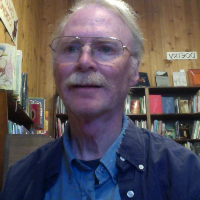
Mark O'Laughlin, LPC
Therapist in Colorado
Mark O'Laughlin is a Licensed Professional Counselor (LPC) with 20 years of clinical experience.
- License 4090 · Colorado Expires August 2027
- NPI 1508163932 · national registry
- Experience and languages 20+ years in practice English
Details are as listed on the therapist's public professional profile. You can check any license with the state board and any NPI with the national registry.
About Mark
Mark O'Laughlin is a Licensed Professional Counselor (LPC) with 20 years of clinical experience. He helps people who are feeling overwhelmed by anxiety, depression, stress, addictions, or big life changes. He talks with clients about relationship strain, parenting concerns, sleep problems, anger, and self-esteem in straightforward ways.
He draws on several approaches to shape sessions around each person's needs. Mark uses cognitive behavioral therapy to identify thinking patterns that add to distress.
Background and approach
He also works with client-centered methods that emphasize the person's own goals and pace. Gottman Method ideas inform his views on communication and conflict, while dialectical behavior therapy skills can be used for emotional regulation and coping. He also integrates Jungian perspectives and mindfulness practices to help people explore meaning and stay grounded.
Mark has led group work with people facing substance concerns and offers individual work for a broad set of problems. He focuses on strengths and practical skills rather than abstract labels. Sessions are conversational and task-oriented when needed, with homework or skill practice sometimes included.
Outside of practice he composes music and spends time outdoors. Those interests influence his relaxed, flexible style and his focus on recovery that fits everyday life.
Credentials
- LPC (Colorado)
- License 4090 · expires August 2027
- NPI
- 1508163932 · national provider identifier
Both are public records. A state board register will confirm a license and its standing, and the national registry will confirm an NPI. This directory copies what the therapist lists and checks neither.
Focus areas and approaches
Everything Mark lists on their public professional profile, in their own terms.
- Stress, Anxiety
- Addictions
- Relationship issues
- Anger management
- Depression
- Family conflicts
- Trauma and abuse
- Intimacy-related issues
- Sleeping disorders
- Parenting issues
- Self esteem
- Career difficulties
- Bipolar disorder
- Coping with life changes
- Compassion fatigue
- ADHD
- Codependency
- Communication problems
Approaches Mark names
- Gottman Method
- Client-Centered Therapy
- Cognitive Behavioral Therapy (CBT)
- Dialectical Behavior Therapy (DBT)
- Jungian Therapy
- Mindfulness Therapy
- Motivational Interviewing
- Psychodynamic Therapy
- Solution-Focused Therapy
- Somatic Therapy
- Trauma-Focused Therapy
These are the approaches Mark names on their own professional profile. Naming an approach is not evidence of training or certification in it, and this directory checks no training records. Ask directly if it matters to you.
Online support
Using therapy approaches online to build skills and connection
Mark often draws on the Gottman Method to look at communication patterns and conflict habits that affect close relationships, using focused exercises to improve how people talk and listen. He also uses cognitive behavioral therapy, which helps identify unhelpful thoughts and build practical behavior changes to reduce anxiety and depression. Client-centered therapy is part of his work too, putting the client's goals and pace at the center and helping people feel heard as they set the agenda.Choosing the right approach is part of therapy itself. He works collaboratively to try methods that fit a person's goals and preferences, adjusting techniques if something does not feel helpful. Over time he and the client check progress and switch focus as needs change.
Online formats include video calls, phone sessions, live chat, and text-based messaging. Video is useful for in-depth conversations and exercises that need visual cues. Phone sessions can be a good option when bandwidth is limited or for brief check-ins. Live chat and text messaging make it easier to keep momentum between sessions and fit support into a busy day. These options make therapy more flexible for work, family, and travel schedules.
We will earn a commission if you sign up through our link, at no cost to you. It does not change what you pay or the order of the listings.
Frequently asked
What problems does Mark commonly help with?
He helps people who are dealing with stress, anxiety, depression, addictions, relationship and communication problems, trauma, parenting strain, sleep issues, bipolar concerns, ADHD, and life transitions.
What is his style in therapy?
His style is conversational and practical. He focuses on building strengths, teaching skills, and using approaches that match each person's needs.
How long has he been practicing?
Mark has worked as a counselor for 20 years and has experience with both individual therapy and group work for substance concerns.
What credentials and region are listed for this therapist?
He holds the Licensed Professional Counselor credential (LPC) and practices in Colorado.
Which languages are supported for sessions?
Sessions are offered in English.
What session formats are available?
He offers video calls, phone sessions, live chat, and text-based messaging to fit different schedules and needs.
How are sessions billed and what does cost depend on?
Cost varies with location and therapist availability; sessions use a subscription model that can be canceled at any time.
How do I begin working with him?
Click the Start Therapy button, complete a short matching questionnaire, and schedule a session according to therapist availability.
More therapists in Colorado
See all
Linda Seibert
LPC

Renee Joyce
LMFT

Kelsey Goss
LPC

Kelley Sullivan
LCSW
Is this your profile?
Ask us to correct details or take the page down.