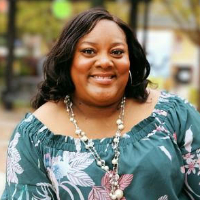
Perry Martin
LMFT
Works with Stress, Anxiety, Trauma and abuse, Grief and 9 more
Location Texas 4 years in practice
Gottman Method therapist directory
914 therapists list Trauma-Focused Therapy among the ways they work. Naming an approach is not evidence of training in it, so ask directly how they use it.
Trauma-Focused Therapy is an approach designed to help people process the emotional, cognitive, and physical effects of traumatic experiences. Below you can browse therapists who list Trauma-Focused Therapy among their approaches to find practitioners who may align with your needs.
LMFT
LPC
LCSW
LCSW
LPC
LPC
LMFT
LPC
LMFT
LMHC
LCSW
LMFT
LMHC
LPC
LPC
LMFT
LPC
LPC
LCSW
LMFT
LMHC
LMFT
LMHC
LCSW
LMHC
LPC
LCMHC
NY Psychoanalyst
LMSW
LMFT
MD, LCPC
LMHC
LPC
LCPC
LCSW
LCSW
LPC
LMFT
LMFT
LPC
LCSW
LPC
LPC
LCSW
LPCC
Some links on this page are partner links. We will earn a commission if you sign up through one, at no cost to you. It does not change what you pay or the order of the listings.
Trauma-Focused Therapy centers on helping you understand how traumatic events have shaped your responses, memories, and sense of safety. The approach does not treat trauma as a single symptom to be removed but as a set of experiences and reactions that can be explored, processed, and integrated into your life story. Practitioners who list Trauma-Focused Therapy among their approaches typically emphasize working at a pace that feels manageable for you, building skills to reduce distress, and creating a framework for making sense of what happened.
Central principles include stabilizing symptoms before confronting traumatic memories, teaching practical coping strategies for overwhelming feelings, and helping you reframe and organize memories so they no longer interfere with daily functioning. Psychoeducation is also an important element - learning why your body and mind respond the way they do to trauma can reduce shame and self-blame. The goal is not to erase memories but to help you develop the resources and perspective to live with them in a way that no longer controls your life.
In practice you can expect a focus on safety, regulation, and paced exposure to difficult material. Therapy often blends skill-building with narrative work so you can both manage symptoms in the moment and integrate traumatic memories over time. The therapeutic relationship itself is treated as an important part of healing, offering consistent, empathic feedback while you make changes.
Trauma-Focused Therapy is commonly used for a wide range of trauma-related difficulties. People turn to this approach for past experiences such as childhood abuse, intimate partner violence, sexual assault, accidents, natural disasters, or medical trauma. It is also applied when trauma has led to persistent anxiety, intrusive memories, nightmares, avoidance of reminders, or difficulties with relationships and trust.
Beyond single-incident trauma, this approach is often used for complex or repeated traumas that occurred over time. You may seek Trauma-Focused Therapy when you notice how past events shape your behavior in ways that feel limiting - for example, patterns of hypervigilance, emotional numbing, or sudden reactivity in relationships. Practitioners who list Trauma-Focused Therapy among their approaches often work with people whose trauma intersects with other concerns such as depression, substance use, chronic medical conditions, or grief.
Your early sessions will usually focus on assessment and stabilization. You and the therapist will talk about what brought you to therapy, current symptoms, patterns that cause distress, and goals for change. During this phase you will also learn tools for managing intense emotions - grounding exercises, breath work, and other regulation strategies that help you feel more in control between sessions.
As therapy progresses, sessions often shift toward more targeted work with memories and beliefs connected to the trauma. This could involve telling your story in a structured way, challenging unhelpful thoughts that keep you stuck, or gradually approaching avoided situations in safe, supported steps. Some sessions emphasize body-based awareness so you can notice where tension or activation shows up physically and apply calming strategies. Throughout, your therapist will check in about pacing and safety so you can move forward without becoming overwhelmed.
Typical sessions last between 45 and 60 minutes, though lengths can vary. You will likely experience a rhythm of skill-building sessions followed by sessions focused on processing. Progress is often nonlinear - some weeks feel more productive than others - and your therapist should adapt the pace to your readiness. Because trauma affects memory and emotion regulation, you may revisit topics across multiple sessions as new insights or sensations emerge.
Trauma-Focused Therapy differs from more general counseling by placing trauma-related experiences and their aftermath at the center of treatment. While general therapeutic approaches may address symptoms such as anxiety or depression, Trauma-Focused Therapy explicitly links those symptoms to traumatic events and seeks to resolve the trauma's ongoing effects. The orientation is both pragmatic and trauma-informed - you work on present-day skills while also processing past events in ways that promote integration rather than avoidance.
Compared with purely insight-oriented approaches, Trauma-Focused Therapy tends to be more structured and goal-focused, with clear strategies for symptom reduction. Compared with strictly skills-based approaches, it places greater emphasis on memory processing and narrative work. Many therapists blend elements from different methods to tailor care to your needs, and practitioners who list Trauma-Focused Therapy among their approaches may combine cognitive techniques with somatic or interpersonal methods to address trauma from multiple angles.
Trauma-Focused Therapy can be appropriate if you notice persistent distress linked to past events and you want a treatment that directly addresses those links. You may be a good candidate if you experience intrusive memories, strong emotional reactions to reminders, avoidance of certain people or places, or lasting changes in how you relate to others. You may also consider this approach if you want practical tools for regulation alongside deeper processing of painful memories.
That said, the fit depends on your current circumstances and readiness. If you are in an immediate crisis or facing unsafe living conditions, addressing those concerns will be a priority before deeper trauma work. You should look for a therapist who discusses pacing, stabilization, and how they approach trauma work so you can feel confident about moving forward. Many people benefit from an initial period of learning coping strategies before engaging in focused trauma processing.
When you begin your search, pay attention to how therapists describe their focus areas, approaches, and experience. Look for language that indicates experience with trauma-related issues, but remember that listing an approach does not guarantee a specific type or level of training. You can use your first contact to ask about how they typically structure trauma work, what coping tools they teach, and how they handle pacing and safety in sessions.
Consider practical factors that matter to you - whether the therapist works with adults, adolescents, couples, or families, the languages they speak, the therapeutic formats they offer such as in-person or telehealth, and the types of insurance or payment options they accept. It can also be helpful to inquire about their experience addressing particular forms of trauma that resonate with your history, such as childhood adversity, sexual assault, or medical trauma. Finally, trust your sense of fit - a therapist who listens carefully, explains their approach clearly, and responds to your concerns about pacing and coping is likely to be a good match.
Exploring therapist profiles and reading how clinicians describe their methods can help you narrow your options. When you reach out, you might ask for a brief consultation to get a feel for their style and to learn how they would approach your specific goals. The right therapeutic match often involves both technical skill and a personal sense of rapport, so allow yourself the time to find someone who meets both needs.
Trauma-Focused Therapy offers a path to understanding and managing the ongoing impact of traumatic experiences. By combining skill-building, paced processing, and a trauma-aware therapeutic relationship, this approach can help you build resilience and reclaim aspects of life that feel diminished. Use the listings below to explore therapists who list Trauma-Focused Therapy among their approaches and to begin conversations about how the work might look for you.