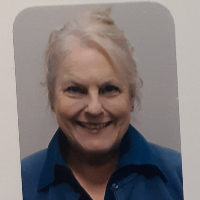
Sarah Ross, LMHC
Therapist in Washington
Sarah Ross is a licensed mental health counselor (LMHC) with 27 years of experience.
- License LH00008167 · Washington Expires September 2026
- NPI 1578723730 · national registry
- Experience and languages 27+ years in practice English
Details are as listed on the therapist's public professional profile. You can check any license with the state board and any NPI with the national registry.
About Sarah
Sarah Ross is a licensed mental health counselor (LMHC) with 27 years of experience. She brings practical, down-to-earth care to people facing stress, anxiety, depression, grief, and relationship strain. She emphasizes respect and positive regard so clients feel heard and not judged.
She has worked in many settings across Washington, including community mental health, drug court collaborations, and marital counseling centers. Those roles shaped her skills with people managing addiction, long-term mental health challenges, and relationship communication struggles.
Background and approach
Sarah uses a blend of approaches to match each person's needs. She often draws on cognitive behavioral ideas, psychodynamic perspectives, and client-centered practices. She also incorporates mindfulness work and elements of the Gottman Method when relationship communication and connection are a focus.
Her style is interactive and practical. She points out patterns people may miss and helps them gain new insight. She also balances coaching and encouragement with gentler, reflective work depending on what a client needs.
Sarah has additional experience supporting parents through parenting stresses and blended family issues. She also helps people cope with life changes, workplace stress, compassion fatigue, and the lingering effects of trauma and abuse. For someone nervous about starting therapy, she stresses that change takes time and a shared commitment.
She aims to build a steady working relationship so clients can reach the goals they set together.
Credentials
- LMHC (Washington)
- License LH00008167 · expires September 2026
- NPI
- 1578723730 · national provider identifier
Both are public records. A state board register will confirm a license and its standing, and the national registry will confirm an NPI. This directory copies what the therapist lists and checks neither.
Focus areas and approaches
Everything Sarah lists on their public professional profile, in their own terms.
- Stress, Anxiety
- Relationship issues
- Family conflicts
- Self esteem
- Depression
- Trauma and abuse
- Grief
- Parenting issues
- Career difficulties
- Coping with life changes
- Compassion fatigue
- Blended family issues
- Codependency
- Commitment issues
- Communication problems
- Divorce and separation
- Domestic violence
- Emptiness
- Family of origin issues
- Family problems
- Forgiveness
- Guilt and shame
- Life purpose
- Mood disorders
- Self-love
- Workplace issues
Approaches Sarah names
- Gottman Method
- Client-Centered Therapy
- Cognitive Behavioral Therapy (CBT)
- Mindfulness Therapy
- Psychodynamic Therapy
- Solution-Focused Therapy
These are the approaches Sarah names on their own professional profile. Naming an approach is not evidence of training or certification in it, and this directory checks no training records. Ask directly if it matters to you.
Online support
How Sarah’s approaches work in online sessions
Client-Centered Therapy focuses on listening and understanding. The therapist follows the client’s lead, offers empathy, and helps people name their feelings and goals. This approach supports people who need space to explore emotions and build self-trust.Cognitive Behavioral Therapy, or CBT, looks at how thoughts, feelings, and actions connect. In sessions clients identify unhelpful thinking, try small behavior changes, and practice new skills that reduce anxiety or improve mood. CBT is often used for stress, anxiety, and mood concerns.
The therapist treats finding the right approach as a shared task. Together the client and therapist decide which methods fit the person’s goals, needs, and preferences. The plan can shift over time as progress is made and new issues appear.
Online sessions offer several practical benefits. Video calls let people use visual cues for relationship work or guided exercises. Phone sessions are useful when bandwidth is limited or for a quick check-in. Live chat and text-based messaging support shorter exchanges, check-ins between sessions, and people who prefer writing to speaking. These options make it easier to fit therapy into a busy life and keep momentum between appointments.
We will earn a commission if you sign up through our link, at no cost to you. It does not change what you pay or the order of the listings.
Frequently asked
What issues does Sarah commonly address?
She helps people with stress, anxiety, depression, grief, relationship and family problems, self-esteem concerns, trauma and abuse, parenting challenges, career strain, and coping with life changes.
How would you describe her therapy style?
Her approach is interactive and down-to-earth. She blends coaching and gentle reflection, points out unhelpful patterns, and helps clients gain new insight.
What is her background and experience?
She has 27 years of experience working in community mental health, drug court collaborations, marital counseling centers, and independent practice settings.
What credentials and location are listed?
She is a licensed mental health counselor, LMHC, practicing in Washington.
Which languages are sessions offered in?
Sessions are offered in English.
What session formats are available online?
Sessions can be delivered as video calls, phone sessions, live chat, or text-based messaging.
How is cost structured for sessions?
Cost varies with location and therapist availability; sessions use a subscription model that can be canceled at any time.
How do I begin working with her?
Choose the Start Therapy button, complete a short matching questionnaire, and then schedule sessions according to therapist availability.
More therapists in Washington
See all
Mark Sikora
LICSW

Nancy Jones Batch
LMHC

Janelle Butler
LMHC

Edward Brock
LMHC
Is this your profile?
Ask us to correct details or take the page down.