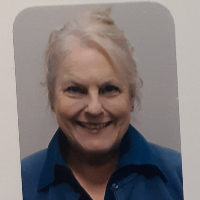
Sarah Ross
LMHC
Works with Stress, Anxiety, Relationship, Family and 8 more
Location Washington 27 years in practice
Gottman Method therapist directory
32 therapists based in Washington name the Gottman Method among their approaches. Sessions are online; a therapist can usually only see people in the states where they hold a license, so check the license line on each profile.
Welcome to our directory for online therapists serving Washington. All listed therapists are licensed to practice in Washington - explore profiles to learn about approaches, credentials, languages, and focus areas.
LMHC
LICSW
LMHC
LMHC
LMHC
LMHC
LMHC
LCSW
LMHC
LMHC
LMHC
LMFT
LMFT
LMHC
LMFT
LMFT
LMFT
LICSW
LMFT
LICSW
LICSW
LICSW
LMHC, LPC
LPC, LMHC
LMHC
LMHC
LMFT
LMHC
LMHC
LICSW
LMHC
Some links on this page are partner links. We will earn a commission if you sign up through one, at no cost to you. It does not change what you pay or the order of the listings.
If you live in Washington you have access to a broad range of clinicians who provide services remotely. Online therapy in the state encompasses video sessions, phone counseling, and text-based options depending on the clinician’s practice style. Many licensed professionals list telehealth services on their profiles, and you can use those listings to review their stated approaches, populations they work with, and languages spoken. Laws and practice rules continue to evolve, but a consistent principle is that the practitioner who provides services to you should be licensed in Washington. That licensing determines the legal scope of practice and the consumer protections that apply when you engage in online care.
Online delivery allows clinicians to work with clients who live in cities, suburbs, and more rural counties without a commute. Some clinicians focus on particular life stages or relationship dynamics, while others highlight clinical approaches or cultural competence. In the profile descriptions you will see phrases like “therapists who list EMDR among their approaches” or “therapists who list cognitive behavioral therapy among their approaches.” Those phrases indicate the methods the clinician reports using, not a guarantee of a specific certification. Reviewing the full profile gives you insight into how each clinician frames their work, including whether they mention work with couples, adolescents, caregivers, or particular communities.
Online therapy can offer practical benefits that fit into busy lives. You can reduce travel time and avoid logistical challenges like parking, transit, or arranging childcare, which makes it easier to keep appointments on a regular schedule. If you live in a rural or remote part of Washington, online options expand the pool of clinicians you can consider without requiring long drives. You may also find clinicians who speak your preferred language or who focus on experiences and identities that matter to you, and that can make a meaningful difference in the therapeutic relationship.
Another advantage is that you can match the type of interaction to your needs. Some people prefer video sessions because visual cues enhance communication, while others opt for phone calls if video feels intrusive or for text-based check-ins that complement scheduled conversations. Online therapy also makes it easier to continue care during life transitions such as moving within the state, commuting for work, or returning from extended travel. While technology plays a role, the human connection remains central; the quality of the relationship and the clinician’s approach are what shape outcomes most, so you should focus on fit as much as format.
Online clinicians in Washington address a wide range of concerns that reflect everyday life and more complex experiences. Many profiles highlight work with anxiety and depression, relationship and family issues, grief and loss, life transitions such as career change or parenting, and stress related to school or workplace challenges. You will also see clinicians who note experience with trauma-related concerns or substance use, though profiles typically say “therapists who list trauma-focused approaches among their approaches” to indicate the kinds of methods they report using.
Some clinicians emphasize work with couples and relationships, offering support for communication patterns, conflict management, and rebuilding connection. Others describe helping teens, young adults, or older adults navigate developmental milestones, identity questions, or caregiving responsibilities. Because clinicians often describe the populations they serve, you can look for language that aligns with your background, culture, or life stage. Profiles may also call out specializations such as work with health-related stress, parenting challenges, or workplace burnout. Reading multiple profiles helps you identify professionals who discuss issues in ways that resonate with you, which can point to a better therapeutic fit.
When you review practitioner profiles, you will see licenses and degree information noted. To confirm those details, you can use Washington state resources that list license status and any disciplinary history. Searching the Washington Department of Health license lookup tool by name or license number allows you to verify that the license is active, view the license type, and check for actions or restrictions. License types vary - for example, you may encounter licensed counselors, social workers, marriage and family therapists, and psychologists. Each license has its own scope of practice and educational requirements, so knowing the license type helps you understand the clinician’s professional background.
License verification is straightforward: locate the clinician’s name or license number on the profile, then enter it into the state registry. The registry will show whether the license is current and whether any disciplinary matters are recorded. If you have questions about degree titles or professional memberships, you can ask the clinician directly via the contact options on their profile. Asking about continuing education or the clinician’s general approach is reasonable, and you should expect clear answers about the kinds of work they typically do and how they describe their methods. Remember that many clinicians will say they use particular techniques - profiles may frame that as “therapists who list X among their approaches” - and that statement is not the same as a formal certification.
Starting with online therapy begins with a few practical steps to make your search efficient. First, identify the features that matter most to you - such as a clinician’s therapeutic approach, experience with particular issues, language abilities, and cultural competence. Use the directory to read profiles and note clinicians whose descriptions align with your priorities. You may want to prepare a short list of questions to ask before your first session, including how the clinician describes their typical work with people who have concerns like yours, what methods they commonly use, expected session length, and how they handle payment and insurance. Profiles often list accepted payment types and whether a clinician works with insurance plans or provides receipts for reimbursement; confirm those details in an initial message or consultation so you understand costs.
Before a session, choose a quiet space where you feel comfortable speaking. Many clinicians will explain their privacy protections and how they handle digital communications, so ask about how session notes and electronic records are managed if that matters to you. Check your technology - a stable internet connection and a device with a good camera and microphone are helpful for video sessions. If you have accessibility needs or prefer phone sessions, include that in your initial inquiry. You should also consider the logistics of scheduling, including the typical session cadence and how to communicate between sessions if needed. While you cannot know everything from a profile, an initial conversation gives you a sense of rapport and whether the clinician’s approach feels right for you. If it does not, it is reasonable to continue looking until you find a clinician with whom you feel comfortable.
Choosing a therapist is a personal decision that blends practical considerations with interpersonal fit. Give yourself permission to interview more than one clinician, to ask about their experience with issues similar to yours, and to clarify how they describe expected progress. Some clinicians will describe short-term work focused on specific goals while others emphasize longer-term exploration; understanding that distinction will help you match expectations. Ultimately, the best match is one where you feel heard, understood, and able to engage in the process. Use the directory to narrow options based on licensing, approaches, languages, and focus areas, and then reach out to begin the conversation that suits you.