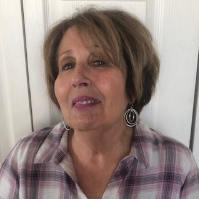
Perry Martin
LMFT
Works with Stress, Anxiety, Trauma and abuse, Grief and 9 more
Location Texas 4 years in practice
Gottman Method therapist directory
445 therapists list disaster relief therapy among the things they work with. All offer sessions online, and every profile shows the registering body, the membership number and when it runs to.
On this page you can browse therapists who list Disaster Relief Therapy among their specialties, with profiles that describe approaches, credentials, languages, and focus areas. Use the listings below to explore clinicians who work with disaster-related stress and recovery.
LMFT
LPC
LMFT
LMHC
LPC
LPC
LPC
LPC
LCSW
IL Psychologist
LMHC
LCSW
LCMHC
NY Psychoanalyst
LPC
LCPC
LMFT
LPC
LPC
LCSW
LPC
LMHC
LIMFT, LPCC
LCSW
LPC
LPC
LPC
LPC
LMHC
LPC
LMHC
LMHC
LPC
LMFT
LMHC, LCPC
LCPC, LPC
LCSW
LCSW
LMFT
LCSW
Some links on this page are partner links. We will earn a commission if you sign up through one, at no cost to you. It does not change what you pay or the order of the listings.
Disaster Relief Therapy focuses on helping individuals, families, and communities respond to the emotional and practical aftermath of natural events and human-made crises. These events can include hurricanes, wildfires, floods, earthquakes, industrial accidents, mass violence, or infrastructure failures. The therapy aims to address the short-term shock and the longer-term disruptions to daily life, sense of safety, relationships, work, and routines. You may seek this type of support when normal coping strategies feel overwhelmed or when day-to-day functioning becomes more difficult.
People respond to disasters in a wide range of ways. Some have an immediate acute stress reaction with intense fear, disorientation, or numbness. Others experience delayed reactions such as persistent anxiety, sleep disturbance, intrusive memories, or a heightened startle response. Social and practical challenges often accompany emotional responses - housing instability, job loss, school disruption, and changes in caregiving responsibilities can intensify the psychological strain. Because disaster impacts both individual and community systems, therapy often considers the broader context of your life and the supports that are available or disrupted.
It is common to experience distress after a disaster, and many people's symptoms improve as immediate needs are addressed and routines are restored. You might consider therapy if distress continues to interfere with your ability to work, maintain relationships, care for children, or complete daily tasks. Warning signs include persistent intrusive memories or images that make it hard to concentrate, ongoing nightmares, or an avoidance of places, people, or activities that remind you of the event. You may notice mood shifts such as persistent sadness, irritability, or a sense of hopelessness that persists beyond the acute aftermath.
Physical symptoms can also indicate a need for additional support - ongoing sleep problems, changes in appetite, chronic fatigue, digestive issues, or unexplained aches and pains that started or worsened after the event. If you find yourself relying more heavily on alcohol or other substances to manage feelings, or if your relationships are strained by withdrawal or conflict, therapy can be a useful resource. You might also seek help if you are a caregiver supporting others and find your own emotional resources depleted. Therapy can help you process what happened, build coping strategies, and plan for rebuilding your routine and support networks.
Your first sessions will typically involve a conversational assessment where the therapist asks about what happened, your current situation, and how symptoms affect daily life. This is an opportunity to describe practical needs - housing, finances, child care - as well as emotional responses. Therapists may ask about your community supports and any medical or medication history that is relevant. The goal of the early sessions is to clarify immediate priorities and to develop a collaborative plan for short-term and longer-term work.
Subsequent sessions often balance emotional processing with skills-building and problem-solving. You might work on grounding and anxiety-management techniques, sleep hygiene, and strategies to reduce avoidance so you can reconnect with people and places that matter. Sessions frequently include practical guidance about navigating local resources, disaster assistance programs, and communication strategies for family members. Over time you may set goals that include managing triggers, restoring routines, returning to work or school, and strengthening social supports. Therapy is typically paced to match your readiness, with therapists adjusting the focus if new stressors arise.
Therapists who list Disaster Relief Therapy among their specialties often draw on a blend of evidence-informed approaches adapted for crisis response. Psychological First Aid principles are commonly used early on to address immediate needs and to stabilize intense reactions. Cognitive-behavioral techniques can help you identify unhelpful thought patterns related to the event and build skills for managing anxiety, panic, and avoidance. Narrative-based approaches support processing the story of what happened so that memories become less fragmented and less intrusive in daily life.
Trauma-focused interventions are sometimes part of the work when traumatic memories continue to cause distress. You may encounter therapists who list EMDR among their approaches, and others who describe prolonged exposure strategies or cognitive processing models. Because training and background vary, it is appropriate to inquire about how a clinician integrates these approaches into disaster recovery work. Many therapists also incorporate grief-focused work when loss of life, community structures, or meaningful places is part of the experience. Cultural sensitivity and attention to community context are central, since disasters affect people differently depending on resources, history, and social networks.
Online therapy is frequently used after disasters, especially when transportation, displacement, or local clinic closures make in-person visits difficult. You typically connect with a therapist through video or phone sessions, which can provide continuity of care when you are relocating or when your regular routines are disrupted. Before beginning, it helps to identify a quiet quiet space where you can speak without interruption, and to confirm any technical requirements such as a stable internet connection or app access. Many clinicians will explain how teletherapy sessions are structured and what to expect if a problem arises during a remote session.
Teletherapy can be effective for teaching coping skills, conducting trauma-focused work in a gradual manner, and coordinating referrals to local services. If you are in a different jurisdiction from the clinician, it is useful to clarify how the therapist handles emergency contacts and local resources. While online sessions can increase access, they also require planning for safety and logistics - you and your therapist may discuss who to contact locally if an urgent need comes up. Video sessions can also include family members or support people when appropriate, allowing collaborative planning for practical recovery needs.
When exploring listings, focus on clinicians whose profiles describe relevant experience with disaster-related stress, community recovery, or trauma work. Look at listed approaches and languages, and note whether a therapist emphasizes working with first responders, families, children, or specific cultural communities. You may prefer someone who mentions community-based interventions, grief work, or practical case coordination as part of their practice. Remember that a therapist listing EMDR, cognitive-behavioral, or narrative approaches indicates interest in those methods but does not in itself verify specific certifications or training.
Consider practical match factors that matter to you - communication style, cultural competence, and whether the therapist describes an approach that fits your expectations for therapy. It is reasonable to ask a clinician how they typically structure early disaster recovery sessions, how they incorporate coping skills and resource navigation, and how they measure progress. You might also look for clinicians who describe working collaboratively with other providers, community agencies, or relief organizations when coordination is necessary. Finally, think about logistics such as session length, cost, insurance policies, and whether you prefer in-person, remote, or hybrid models - these factors shape the fit between you and a therapist during a recovery process.
Finding the right therapist for disaster relief work is a personal process. By learning about approaches, reading profiles, and reflecting on your needs and goals, you can identify clinicians who align with your priorities and the practical realities of post-disaster life. The listings below provide a starting point to explore professionals who list Disaster Relief Therapy among their specialties, and the content here can help you prepare to start the process of recovery and rebuild routines and supports that matter to you.