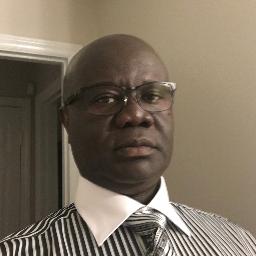
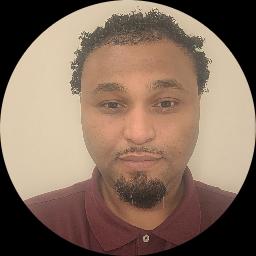
Dr. Agyenim Akuamoah-Boateng, LCMHC
Therapist in North Carolina
Dr.
- License 3685 · North Carolina Expires June 2026
- NPI 1306844352 · national registry
- Experience and languages 23+ years in practice English
Details are as listed on the therapist's public professional profile. You can check any license with the state board and any NPI with the national registry.
About Agyenim
Dr. Agyenim Akuamoah-Boateng is a Licensed Clinical Mental Health Counselor (LCMHC) practicing in North Carolina with 23 years of experience. He has worked in mental health and substance use care since 1998 and in independent practice since 2001.
He brings long-term experience supporting people through severe stress, addiction concerns, trauma, grief, and mood challenges. His background includes work with people facing co-occurring medical and behavioral health issues. He emphasizes integrated care and recovery skills for those aiming to reduce or stop substance use.
Background and approach
He also helps people manage anxiety, depression, sleep problems, anger, and low self-esteem. In sessions he uses clear, practical methods. He draws on Acceptance and Commitment Therapy (ACT), Cognitive Behavioral Therapy (CBT), Client-Centered techniques, Attachment-Based ideas, and the Gottman Method.
He focuses on helping people set goals, build coping skills, and strengthen meaningful connections. Dr. Akuamoah-Boateng keeps things collaborative and goal-oriented.
He offers coaching-style support for career concerns and compassion fatigue as well as therapy for relationship and intimacy-related issues. His style is direct but calm, aiming to help people find doable next steps. He works with a wide range of concerns including ADHD, bipolar mood issues, addictions, domestic violence aftermath, and grief.
Sessions can help people develop recovery plans, cope with major life changes, and improve communication and emotional regulation.
Credentials
- LCMHC (North Carolina)
- License 3685 · expires June 2026
- NPI
- 1306844352 · national provider identifier
Both are public records. A state board register will confirm a license and its standing, and the national registry will confirm an NPI. This directory copies what the therapist lists and checks neither.
Focus areas and approaches
Everything Agyenim lists on their public professional profile, in their own terms.
- Stress, Anxiety
- Addictions
- Trauma and abuse
- Grief
- Depression
- LGBT
- Relationship issues
- Family conflicts
- Intimacy-related issues
- Sleeping disorders
- Anger management
- Self esteem
- Career difficulties
- Bipolar disorder
- Coping with life changes
- Coaching
- Compassion fatigue
- ADHD
- Abandonment
- Aging and geriatric issues
- Attachment issues
- Avoidant personality
- Body image
- Caregiver issues and stress
- Co-morbidity
- Codependency
- Communication problems
- Coping with natural or human-caused disaster
- Disruptive Mood Dysregulation Disorder (DMDD)
- Domestic violence
- Drug and alcohol addiction
- Emptiness
- Family problems
- Fatherhood issues
- Forgiveness
- Guilt and shame
- Impulsivity
- Infidelity
- Isolation / loneliness
- Life purpose
- Men's issues
- Midlife crisis
- Veteran and Armed Forces Issues
- Mood disorders
- Multicultural concerns
- Narcissism
- Obsessions, compulsions, and OCD
- Panic disorder and panic attacks
- Phobias
- Postpartum depression
- Post-traumatic stress
- Process addiction (porn, exercise, gambling)
- Self-love
- Sex addiction
- Social anxiety and phobia
- Workplace issues
- Young adult issues
Approaches Agyenim names
- Gottman Method
- Acceptance and Commitment Therapy (ACT)
- Attachment-Based Therapy
- Client-Centered Therapy
- Cognitive Behavioral Therapy (CBT)
- Dialectical Behavior Therapy (DBT)
- Emotionally-Focused Therapy (EFT)
- Jungian Therapy
- Mindfulness Therapy
- Motivational Interviewing
- Narrative Therapy
- Psychodynamic Therapy
- Solution-Focused Therapy
- Trauma-Focused Therapy
These are the approaches Agyenim names on their own professional profile. Naming an approach is not evidence of training or certification in it, and this directory checks no training records. Ask directly if it matters to you.
Online support
Approaches for online care and relationship work
Acceptance and Commitment Therapy (ACT) helps people notice unhelpful thoughts and commit to actions that match their values. It is useful for anxiety, trauma recovery, and making life changes. Cognitive Behavioral Therapy (CBT) focuses on practical skills to shift thinking patterns and behaviors, helping with depression, anxiety, sleep issues, and anger. The Gottman Method offers structured tools to improve communication and manage relationship challenges, useful for people looking to build better interaction habits.Choosing the right approach is a shared process. He will work together with each person to identify goals, try methods that fit, and adjust plans as progress is made. That means experimenting with skills and talking about what helps until a good fit is found.
Online sessions are offered by video calls, phone, live chat, or text-based messaging to make therapy flexible. Video is helpful for longer sessions and more interactive work. Phone can be a good option when bandwidth is limited or for brief check-ins. Messaging and live chat allow short updates, homework, or coaching between sessions and can fit into busy schedules.
We will earn a commission if you sign up through our link, at no cost to you. It does not change what you pay or the order of the listings.
Frequently asked
What issues does he address?
He helps people with stress, anxiety, depression, addiction, trauma, grief, relationship and intimacy concerns, sleep problems, anger, self-esteem, ADHD, bipolar symptoms, and related life changes.
What is his general approach in therapy?
He uses straightforward, collaborative methods drawn from ACT, CBT, Client-Centered and attachment-informed work. Sessions focus on setting goals, learning skills, and practicing new ways to cope.
How much clinical experience does he have?
He has 23 years of experience in mental health and substance use care, working in the field since 1998 and in independent practice since 2001.
What credentials and location apply?
He is a Licensed Clinical Mental Health Counselor (LCMHC) practicing in North Carolina.
Which languages and international services are supported?
Sessions are offered in English and he accepts international clients.
In what formats are sessions offered?
He provides video calls, phone sessions, live chat, and text-based messaging to fit different needs and schedules.
How are costs and billing handled?
Cost varies with location and therapist availability; sessions use a subscription model that can be canceled at any time.
What are the first steps to begin therapy?
To get started, select the Start Therapy button, complete a short matching questionnaire, and schedule sessions based on therapist availability.
More therapists in North Carolina
See all
Teresa Freeman
LCSW
Giovanni Bass
LCSW
Kandace Perryman
LCMHC
Garry Wiley Jr.
LCSW
Is this your profile?
Ask us to correct details or take the page down.