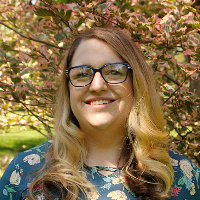
Amanda Dunn, LPC
Therapist in Colorado
Amanda Dunn is a Licensed Professional Counselor (LPC) based in Colorado with eight years of experience in mental health.
- License LPC.0015789 · Colorado Expires August 2027
- NPI 1831565845 · national registry
- Experience and languages 8+ years in practice English
Details are as listed on the therapist's public professional profile. You can check any license with the state board and any NPI with the national registry.
About Amanda
Amanda Dunn is a Licensed Professional Counselor (LPC) based in Colorado with eight years of experience in mental health. She focuses on meeting people where they are and helping them take practical steps through stress, anxiety, depression, and processing past trauma. Amanda keeps a warm, person-centered tone and aims to make therapy feel approachable and direct.
She uses a mix of therapies to match each person’s needs. That can include cognitive-behavioral techniques to change unhelpful thoughts, mindfulness practices to manage stress, and EMDR for those processing traumatic memories.
Background and approach
Amanda also draws on relationship work such as the Gottman Method when communication and connection are priorities. Amanda prefers a collaborative style. She works with each client to set goals and chooses methods that fit their situation and pace.
Sessions are straightforward and focused on skills people can use between meetings. She has particular experience supporting people facing parenting challenges, sleeping problems, compassion fatigue, and identity-related concerns like gender dysphoria. Amanda also helps people navigating kink and alternative sexual cultures, polyamory, grief after disasters, and loneliness.
Amanda aims to offer practical tools alongside empathic support. She helps people build coping strategies, improve communication, and regain a sense of direction. The first steps usually involve identifying priority concerns and planning small, manageable changes.
Credentials
- LPC (Colorado)
- License LPC.0015789 · expires August 2027
- NPI
- 1831565845 · national provider identifier
Both are public records. A state board register will confirm a license and its standing, and the national registry will confirm an NPI. This directory copies what the therapist lists and checks neither.
Focus areas and approaches
Everything Amanda lists on their public professional profile, in their own terms.
- Stress, Anxiety
- Trauma and abuse
- Self esteem
- Coping with life changes
- Compassion fatigue
- LGBT
- Relationship issues
- Family conflicts
- Intimacy-related issues
- Sleeping disorders
- Parenting issues
- Anger management
- Depression
- BDSM, kink, and alternative sex culture
- Communication problems
- Coping with natural or human-caused disaster
- Dissociation
- Emptiness
- Gender dysphoria
- Isolation / loneliness
- Life purpose
- Mood disorders
- Panic disorder and panic attacks
- Phobias
- Polyamory / non-monogamous relationships
- Post-traumatic stress
- Seasonal Affective Disorder (SAD)
- Self-love
- Sexual assault and abuse
- Sexual dysfunction
- Sexuality
- Social anxiety and phobia
- Trichotillomania
- Women's issues
- Young adult issues
Approaches Amanda names
- Gottman Method
- Client-Centered Therapy
- Cognitive Behavioral Therapy (CBT)
- Eye Movement Desensitization and Reprocessing (EMDR)
- Mindfulness Therapy
- Narrative Therapy
- Trauma-Focused Therapy
These are the approaches Amanda names on their own professional profile. Naming an approach is not evidence of training or certification in it, and this directory checks no training records. Ask directly if it matters to you.
Online support
How Amanda’s Approaches Work Online
Amanda uses a few different methods depending on the issue and the person. The Gottman Method focuses on improving communication and reducing conflict in relationships by teaching concrete skills for listening, expressing needs, and rebuilding connection. Client-Centered Therapy centers on the person’s experience and supports exploration at the client’s own pace while the therapist offers empathy and practical feedback. Cognitive Behavioral Therapy, or CBT, helps identify and change unhelpful thoughts and behaviors through exercises and small experiments between sessions.Finding the right approach is a collaborative process. Amanda will talk with each person about goals and preferences, try methods that seem like a good fit, and adjust the plan as progress is made. She aims to tailor techniques so they work in real life rather than as abstract ideas.
Online formats make this work flexible. Video calls allow face-to-face conversation for skills practice and guided exercises. Phone sessions can be easier when bandwidth is limited or for quick check-ins. Live chat and text-based messaging let people send brief updates, try short grounding exercises, or get support between scheduled meetings. These options help fit therapy into busy schedules and changing needs.
We will earn a commission if you sign up through our link, at no cost to you. It does not change what you pay or the order of the listings.
Frequently asked
What concerns does Amanda commonly address?
Amanda works with people facing stress, anxiety, depression, trauma and abuse, sleep problems, parenting strain, relationship and intimacy-related issues, and identity questions such as gender dysphoria. She also supports people with concerns like burnout, loneliness, and mood or panic symptoms.
How would you describe her therapeutic style?
Her style is warm and collaborative, centered on the person in front of her. She focuses on practical skills and short-term strategies while also addressing deeper patterns over time.
What relevant experience does she have?
She has eight years working in mental health, primarily in outpatient settings, with experience supporting teens, young adults, and new parents as well as people processing past trauma.
What credentials and location information should I know?
She is a Licensed Professional Counselor, credentialed as CO LPC, and practices from Colorado.
Can I work with her in languages other than English?
Sessions are offered in English.
What session formats are available?
She offers video calls, phone sessions, live chat, and text-based messaging to suit different needs and schedules.
How does payment and cost work?
Cost varies by location and therapist availability; sessions use a subscription model that may be canceled at any time.
How do I begin working with her?
Start by selecting the Start Therapy button, completing a short matching questionnaire, and then scheduling according to therapist availability.
More therapists in Colorado
See all
Linda Seibert
LPC

Renee Joyce
LMFT

Kelsey Goss
LPC

Kelley Sullivan
LCSW
Is this your profile?
Ask us to correct details or take the page down.