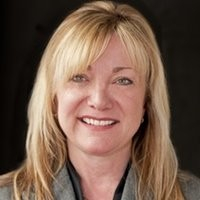
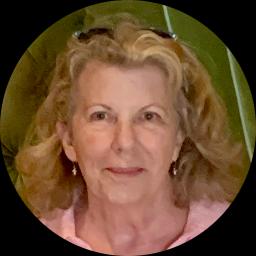
Dr. Audrey Berdeski, LPC
Therapist in Michigan
Dr.
- License 6401011113 · Michigan Expires September 2027
- NPI 1902812720 · national registry
- Experience and languages 15+ years in practice English
Details are as listed on the therapist's public professional profile. You can check any license with the state board and any NPI with the national registry.
About Audrey
Dr. Audrey Berdeski is a licensed professional counselor in Michigan with over 15 years of clinical experience. She moved from a background as a Doctor of Chiropractic into counseling and now helps people facing depression, anxiety, trauma, relationship strain, and life transitions.
Her style is warm and interactive. She avoids stigma and treats people with respect and sensitivity. Sessions are collaborative conversations where practical steps are balanced with time to reflect.
Background and approach
Dr. Berdeski blends several approaches to match a person’s needs. She draws on cognitive behavioral ideas to spot unhelpful thinking patterns and on psychodynamic thinking to look at how past patterns still affect present life.
She also uses solution-focused and existential perspectives to help people identify values and realistic next steps. She works with a wide range of concerns including grief, self-esteem challenges, bipolar and mood issues, and stress related to caregiving or aging. Relationship problems, communication breakdowns, and issues like codependency, infidelity, or divorce are also within her focus areas.
Sessions can include coaching elements when someone wants support making concrete changes, and she offers messaging between sessions for brief check-ins. Her approach is practical - setting clear goals and small steps that fit into everyday life.
Credentials
- LPC (Michigan)
- License 6401011113 · expires September 2027
- NPI
- 1902812720 · national provider identifier
Both are public records. A state board register will confirm a license and its standing, and the national registry will confirm an NPI. This directory copies what the therapist lists and checks neither.
Focus areas and approaches
Everything Audrey lists on their public professional profile, in their own terms.
- Stress, Anxiety
- Relationship issues
- Grief
- Self esteem
- LGBT
- Family conflicts
- Trauma and abuse
- Bipolar disorder
- Depression
- Coping with life changes
- Coaching
- Aging and geriatric issues
- Antisocial personality
- Caregiver issues and stress
- Codependency
- Commitment issues
- Communication problems
- Control issues
- Divorce and separation
- Domestic violence
- Family of origin issues
- Family problems
- Infidelity
- Jealousy
- Midlife crisis
- Money and financial issues
- Mood disorders
- Narcissism
- Personality disorders
- Postpartum depression
- Seasonal Affective Disorder (SAD)
- Sexual assault and abuse
- Women's issues
Approaches Audrey names
- Gottman Method
- Cognitive Behavioral Therapy (CBT)
- Existential Therapy
- Mindfulness Therapy
- Psychodynamic Therapy
- Solution-Focused Therapy
These are the approaches Audrey names on their own professional profile. Naming an approach is not evidence of training or certification in it, and this directory checks no training records. Ask directly if it matters to you.
Online support
Therapeutic approaches and how they work online
Dr. Berdeski uses approaches that balance practical tools and deeper reflection. The Gottman Method focuses on improving communication patterns and managing conflict in close relationships by teaching specific skills and exercises that couples can practice. Cognitive Behavioral Therapy, or CBT, helps people notice and change unhelpful thoughts and behaviors, which is useful for anxiety, depression, and stress. Existential Therapy invites people to examine values, meaning, and life choices to guide decisions during major transitions or crises.Finding the right approach is part of the work. The therapist will collaborate with each person to pick methods that match their goals, needs, and comfort level. That plan can be adjusted as therapy progresses so the work stays practical and relevant.
Online formats include video calls, phone sessions, live chat, and text-based messaging. Video works well for real-time conversation and practicing skills together. Phone sessions can be a good option when bandwidth is limited or when someone prefers not to be on camera. Live chat and messaging are useful for quick check-ins, homework prompts, and brief coaching between meetings. These options make it easier to fit therapy into a busy life and to keep momentum between sessions.
We will earn a commission if you sign up through our link, at no cost to you. It does not change what you pay or the order of the listings.
Frequently asked
What kinds of concerns does she address?
She helps people with stress, anxiety, depression, trauma and abuse, grief, relationship and communication problems, bipolar disorder, self-esteem issues, and coping with life changes.
How would you describe her therapy style?
Her style is warm and interactive, combining practical problem-solving with reflective conversation. Sessions are respectful and tailored to each person.
What is her clinical background?
She has over 15 years of experience and transitioned from a Doctor of Chiropractic to a licensed professional counselor working in mental health care.
Where is she licensed to practice?
She holds an LPC credential in Michigan and conducts practice from that state.
Which languages are supported for sessions?
Sessions are offered in English.
What session formats are available?
She offers video calls, phone sessions, live chat, and text-based messaging to fit different needs and schedules.
How are costs handled?
Cost varies by location and therapist availability; sessions use a subscription model that can be canceled at any time.
How do I begin working with her?
Use the Start Therapy button, complete a short matching questionnaire, and then schedule a session based on her availability.
More therapists in Michigan
See all
Regina Simon
LMSW
Selina Wilkins
LPC
Laurie Jolly
LMSW
Dr. Deborah Bailey
LMFT
Is this your profile?
Ask us to correct details or take the page down.