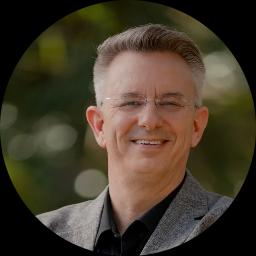
Brian Krause, LMHC
Therapist in Florida
Brian Krause is a licensed mental health counselor who helps people repair connection and manage overwhelming emotions.
- License MH16664 · Florida Expires March 2027
- NPI 1801353834 · national registry
- Experience and languages 11+ years in practice English
Details are as listed on the therapist's public professional profile. You can check any license with the state board and any NPI with the national registry.
About Brian
Brian Krause is a licensed mental health counselor who helps people repair connection and manage overwhelming emotions. He supports individuals and couples facing relationship problems, trust issues, post-infidelity pain, anxiety, and stress. He also works with concerns around intimacy, self-esteem, grief, parenting, and sexual struggles.
Brian draws on a mix of attachment-focused work, client-centered conversation, and practical techniques to calm the nervous system and reduce reactivity. Sessions emphasize clear communication, more stable connection, and steady steps toward change.
Background and approach
He aims for straightforward, easy-to-follow guidance rather than clinical jargon. Before becoming a therapist he spent 15 years as a pastor, a background that shaped his listening style and his focus on real-life healing. That personal journey into counseling helped him notice common patterns that keep people stuck and taught him how to name them plainly for clients.
He has practiced as a therapist for 11 years and holds the LMHC credential, licensed in Florida. That clinical experience is paired with additional training in attachment and somatic approaches, which he blends into conversation and body-aware exercises when appropriate. In sessions he works at a calm pace, helping clients notice what triggers them and try small experiments to respond differently.
The work is collaborative: goals are set together and progress is checked along the way. Many clients come seeking better communication, restored trust, or less anxiety, and the focus stays on practical changes they can use every day.
Credentials
- LMHC (Florida)
- License MH16664 · expires March 2027
- NPI
- 1801353834 · national provider identifier
Both are public records. A state board register will confirm a license and its standing, and the national registry will confirm an NPI. This directory copies what the therapist lists and checks neither.
Focus areas and approaches
Everything Brian lists on their public professional profile, in their own terms.
- Relationship issues
- Trauma and abuse
- Intimacy-related issues
- Self esteem
- Coaching
- Stress, Anxiety
- LGBT
- Family conflicts
- Grief
- Parenting issues
- Anger management
- Career difficulties
- Abandonment
- Attachment issues
- Avoidant personality
- Codependency
- Communication problems
- Divorce and separation
- Family of origin issues
- Fatherhood issues
- First responder issues
- Guilt and shame
- Infidelity
- Men's issues
- Midlife crisis
- Sex addiction
- Sexuality
- Women's issues
- Workplace issues
- Young adult issues
Approaches Brian names
- Gottman Method
- Attachment-Based Therapy
- Client-Centered Therapy
- Cognitive Behavioral Therapy (CBT)
- Emotionally-Focused Therapy (EFT)
- Motivational Interviewing
- Narrative Therapy
- Trauma-Focused Therapy
These are the approaches Brian names on their own professional profile. Naming an approach is not evidence of training or certification in it, and this directory checks no training records. Ask directly if it matters to you.
Online support
Therapeutic approaches online and what they do
Brian blends the Gottman Method with attachment-based and client-centered approaches to focus on connection and clearer communication. The Gottman Method emphasizes practical skills for managing conflict, rebuilding trust, and improving everyday interactions in relationships. Attachment-Based Therapy looks at how early relationship patterns shape current reactions and helps people build more supported ways of relating. Client-Centered Therapy centers the client's experience, using empathic listening and reflection to help people feel understood and discover their own solutions.Choosing the right approach is a joint process. The therapist will ask about goals, past attempts, and what feels most helpful, then suggest starting steps. That plan can change as the work progresses so it stays responsive to the client's needs and preferences.
Online formats include video calls, phone sessions, live chat, and text-based messaging, which offer different practical benefits. Video calls let people read facial cues and practice conversations in real time. Phone sessions use less bandwidth and can fit a break at work. Live chat and text messaging work well for brief check-ins, processing between sessions, or when someone prefers writing. These options make it easier to maintain continuity of care and try therapeutic tools in everyday life.
We will earn a commission if you sign up through our link, at no cost to you. It does not change what you pay or the order of the listings.
Frequently asked
What kinds of concerns does Brian help with?
He helps with relationship conflict, trust and post-infidelity issues, intimacy struggles, anxiety, stress, grief, parenting concerns, and sexual or identity questions.
How would you describe his therapy style?
Sessions are practical and conversational with a calm, direct tone. He combines attachment-focused listening, somatic awareness, and client-centered dialogue to reduce reactivity and improve connection.
What is his professional background?
Brian spent 15 years as a pastor before training as a therapist, and he has 11 years of clinical experience working with relationship and trauma-related concerns.
What are his credentials and where is he based?
He is a Licensed Mental Health Counselor, LMHC, licensed in Florida and practicing with that credential.
Does he offer sessions in other languages or to international clients?
Sessions are offered in English, and he accepts international clients.
Which session formats are available?
He works online via video calls, phone sessions, live chat, and text-based messaging to fit different needs and schedules.
How are fees handled?
Cost varies with location and therapist availability; sessions are provided through a subscription model that can be canceled at any time.
What do I need to do to begin?
Click the Start Therapy button, complete a short matching questionnaire, and schedule sessions according to the therapist's availability.
More therapists in Florida
See all
Steven Brashear
LMHC
Thomas Corwell
LMHC, LMFT

Shannon Salgado
LMFT
Susan Dawson
LMHC
Is this your profile?
Ask us to correct details or take the page down.