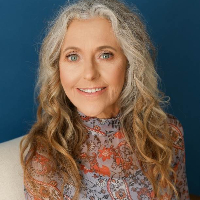
Carol Weihe, LCMFT
Therapist in Kansas
Carol Weihe is a licensed clinical marriage and family therapist who blends relationship-focused work with practical tools.
- License LCMFT 347 · Kansas Expires February 2028
- NPI 1477548592 · national registry
- Experience and languages 24+ years in practice English
Details are as listed on the therapist's public professional profile. You can check any license with the state board and any NPI with the national registry.
About Carol
Carol Weihe is a licensed clinical marriage and family therapist who blends relationship-focused work with practical tools. She uses approaches like the Gottman Method alongside cognitive and emotion-focused strategies to help people handle stress, anxiety, and life changes.
Carol brings 24 years of experience in a range of settings, including independent practice, community mental health, managed care, and the Department of Veterans Affairs. She aims for sessions that are compassionate and direct, offering a balance of support and challenge so clients can make meaningful changes.
Background and approach
In practice she helps people facing depression, trauma and abuse, and relationship strain. She also supports those coping with serious health issues, end-of-life concerns, grief, and shifting life stages. Her work includes attention to family of origin issues, communication problems, codependency, and divorce or separation.
Therapy sessions often include mindfulness, acceptance-based work, and cognitive-behavioral techniques to change unhelpful patterns. Emotion-focused strategies are used to clarify feelings and strengthen what matters most. The result is a mix of insight, practical skills, and moments of emotional repair.
Carol describes her approach as holistic and heart-centered. She guides people toward clearer values, steadier coping, and healthier ways of relating. Sessions are offered in English and she is based in Kansas, working with individuals through online formats as well as phone and messaging when needed.
Credentials
- LCMFT (Kansas)
- License LCMFT 347 · expires February 2028
- NPI
- 1477548592 · national provider identifier
Both are public records. A state board register will confirm a license and its standing, and the national registry will confirm an NPI. This directory copies what the therapist lists and checks neither.
Focus areas and approaches
Everything Carol lists on their public professional profile, in their own terms.
- Stress, Anxiety
- Relationship issues
- Trauma and abuse
- Depression
- Coping with life changes
- Aging and geriatric issues
- Antisocial personality
- Cancer
- Codependency
- Commitment issues
- Communication problems
- Control issues
- Dissociation
- Divorce and separation
- Domestic violence
- Family of origin issues
- Family problems
- Forgiveness
- Guilt and shame
- Hospice and end-of-life counseling
- Infidelity
- Isolation / loneliness
- Jealousy
- Life purpose
- Men's issues
- Veteran and Armed Forces Issues
- Mood disorders
- Panic disorder and panic attacks
- Personality disorders
- Post-traumatic stress
- Self-love
- Social anxiety and phobia
- Women's issues
Approaches Carol names
- Gottman Method
- Acceptance and Commitment Therapy (ACT)
- Client-Centered Therapy
- Cognitive Behavioral Therapy (CBT)
- Emotionally-Focused Therapy (EFT)
- Existential Therapy
- Hypnotherapy
- Jungian Therapy
- Mindfulness Therapy
- Narrative Therapy
- Solution-Focused Therapy
- Trauma-Focused Therapy
These are the approaches Carol names on their own professional profile. Naming an approach is not evidence of training or certification in it, and this directory checks no training records. Ask directly if it matters to you.
Online support
Therapeutic approaches for online care
Gottman-informed work focuses on interaction patterns and practical skills for improving communication and reducing repeated cycles of conflict. It can help people learn clearer ways to speak and listen in their closest relationships.Acceptance and Commitment Therapy, or ACT, emphasizes identifying personal values and taking committed steps toward them while learning to relate differently to difficult thoughts and feelings. It is useful for anxiety, stress, and life transitions where painful thoughts get in the way of living well.
Client-centered therapy centers the person's own experience and pace. The therapist offers empathic listening and gentle reflection so people feel heard and can find their own solutions to problems.
Choosing the right approach is a collaborative process. The therapist will talk with each person about goals, preferences, and what feels most helpful, and then adapt techniques over time to match progress and needs.
Online formats - video calls, phone sessions, live chat, and text-based messaging - make therapy more flexible. Video is good for deeper conversations and eye contact. Phone works well when bandwidth is limited or a shorter check-in is needed. Live chat and messaging support quick reflections, daily check-ins, and people who prefer writing. These options help fit therapy into work, caregiving, or busy schedules while keeping the focus on practical progress and emotional understanding.
We will earn a commission if you sign up through our link, at no cost to you. It does not change what you pay or the order of the listings.
Frequently asked
What kinds of concerns does Carol address?
She helps people with stress, anxiety, relationship strain, trauma and abuse, depression, and coping with life changes. Additional focus areas include end-of-life concerns, communication problems, codependency, and family of origin issues.
How would you describe her therapeutic style?
Her style is supportive, compassionate, and sometimes challenging. She combines emotion-focused work with cognitive and acceptance-based techniques to help clients change patterns and manage feelings.
What is her professional background?
Carol has 24 years of experience across independent practice, community mental health, managed care, and the Department of Veterans Affairs. That range informs her work with complex trauma and long-term mental health concerns.
What credential does she hold and where is she based?
She is licensed as an LCMFT in Kansas. She practices from Kansas and provides services to people in English.
Can people outside the United States work with her?
International clients are accepted. Sessions are provided in English for those who join from other countries.
Which session formats are available?
Sessions are offered as video calls, phone sessions, live chat, or text-based messaging to fit different needs and schedules.
How are fees and billing handled?
Cost varies with location and therapist availability. Sessions use a subscription model that can be canceled at any time.
What do I do to begin working together?
Start by selecting the Start Therapy button, completing a short matching questionnaire, and then schedule according to therapist availability.
More therapists in Kansas
See all
Dr. Susan Lieberman
KS Psychologist

Linda Yearout
LCMFT

Larsen Barnds
LCMFT, LMFT
Is this your profile?
Ask us to correct details or take the page down.