
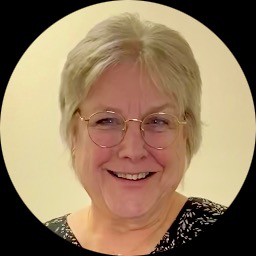
Dr. Danielle Johnson, MD, LCPC
Therapist in Maryland
Dr.
- License LC9648 · Maryland Expires January 2027
- NPI 1386215853 · national registry
- Experience and languages 8+ years in practice English
Details are as listed on the therapist's public professional profile. You can check any license with the state board and any NPI with the national registry.
About Danielle
Dr. Danielle Johnson draws on relationship-centered and evidence-informed approaches to help people manage emotional pain and life changes. She is an MD and a licensed clinical professional counselor (LCPC) practicing in Maryland.
Her work emphasizes listening and practical tools that make day-to-day life easier. Clients come for help with stress, anxiety, depression, addiction, grief, and adjusting after difficult events. She also addresses relationship conflict, self-esteem, ADHD, and the effects of trauma and abuse.
Background and approach
Many people seek guidance when they feel stuck or unsure how to move forward. Her style puts the person first. Dr.
Johnson focuses on what matters most to the individual and offers supportive, goal-focused conversations. Sessions aim to validate feelings, build coping skills, and create clearer next steps rather than rely on jargon or long lectures. Over eight years of clinical work have included helping people reduce harmful substance use, manage mood and anxiety, and cope with major life transitions.
She is pursuing a counseling-related doctoral degree and integrates new, relevant skills into her practice as appropriate. Dr. Johnson uses several therapies to match a person’s needs, from learning concrete behavioral strategies to exploring emotions that affect relationships.
She frames wellness as an ongoing journey and offers steady support as clients try out different ways to feel better and regain control.
Credentials
- LCPC (Maryland)
- License LC9648 · expires January 2027
- NPI
- 1386215853 · national provider identifier
Both are public records. A state board register will confirm a license and its standing, and the national registry will confirm an NPI. This directory copies what the therapist lists and checks neither.
Focus areas and approaches
Everything Danielle lists on their public professional profile, in their own terms.
- Stress, Anxiety
- Addictions
- Trauma and abuse
- Depression
- Coping with life changes
- Relationship issues
- Grief
- Self esteem
- ADHD
- Attachment issues
- Codependency
- Coping with natural or human-caused disaster
- Drug and alcohol addiction
- Emptiness
- Forgiveness
- Guilt and shame
- Immigration issues
- Isolation / loneliness
- Life purpose
- Multicultural concerns
- Sexual assault and abuse
Approaches Danielle names
- Gottman Method
- Client-Centered Therapy
- Cognitive Behavioral Therapy (CBT)
- Dialectical Behavior Therapy (DBT)
- Emotionally-Focused Therapy (EFT)
- Motivational Interviewing
- Solution-Focused Therapy
- Trauma-Focused Therapy
These are the approaches Danielle names on their own professional profile. Naming an approach is not evidence of training or certification in it, and this directory checks no training records. Ask directly if it matters to you.
Online support
Therapeutic approaches and online support
Dr. Johnson draws on the Gottman Method to address relationship patterns and communication habits, helping people identify harmful cycles and practice clearer ways of interacting. She also uses Client-Centered Therapy to keep conversations focused on the person's experience, offering reflective listening and support that help clients feel heard. Cognitive Behavioral Therapy, or CBT, is used to teach practical skills for managing anxiety, depression, and unhelpful thinking patterns.Choosing the right approach is part of the work together. The therapist will collaborate with each person to match methods to their needs, goals, and preferences, adjusting techniques as progress is made. This means sessions often blend talking, skill-building, and real-world practice tailored to the individual.
Online sessions are offered by video calls, phone sessions, live chat, or text-based messaging to fit different schedules and situations. Video works well for face-to-face conversation and guided exercises, phone calls are useful when bandwidth or camera use is limited, and messaging tools support quick check-ins or ongoing skill practice. These options make it easier to fit therapy into busy lives and keep momentum between sessions.
We will earn a commission if you sign up through our link, at no cost to you. It does not change what you pay or the order of the listings.
Frequently asked
What concerns does she address?
She helps people manage stress, anxiety, depression, addictions, trauma and abuse, grief, low self-esteem, ADHD, and related life changes.
What is her therapeutic style like?
Her approach is client-centered and practical, combining listening with concrete tools from therapies such as CBT and DBT to help with emotions and behavior.
How much experience does she have?
She has eight years of clinical experience working with mood and anxiety concerns, substance use, trauma, grief, and adjustment difficulties.
What credentials and region apply to this therapist?
She holds an MD and is a licensed clinical professional counselor (LCPC) practicing in Maryland.
Can non-U.S. residents work with her?
International clients are accepted and sessions are offered in English.
Which session formats are available?
Sessions can be held by video calls, phone sessions, live chat, or text-based messaging according to client preference.
How does billing and cost work?
Cost varies by location and therapist availability; sessions use a subscription model that can be canceled at any time.
What steps start the process?
Begin by selecting the Start Therapy button, completing a short matching questionnaire, and scheduling based on the therapist's availability.
More therapists in Maryland
See all
Tanya Vincent
MD, LCPC

Danika Girdner
MD, LCSW-C

Lori Simmons
LMFT
Janet Nealer
MD, LCMFT
Is this your profile?
Ask us to correct details or take the page down.