
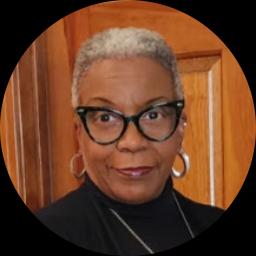
Michelle Davis, LMSW
Therapist in Michigan
Michelle Davis is a licensed clinical social worker in Michigan with 13 years of experience.
- License 6801092482 · Michigan Expires October 2028
- NPI 1700133410 · national registry
- Experience and languages 13+ years in practice English
Details are as listed on the therapist's public professional profile. You can check any license with the state board and any NPI with the national registry.
About Michelle
Michelle Davis is a licensed clinical social worker in Michigan with 13 years of experience. She uses practical, collaborative methods to help people navigate stress, anxiety, depression, relationship strain, parenting pressures, and life transitions. She blends straightforward talk with tools from approaches such as Cognitive Behavioral Therapy and Client-Centered Therapy.
Sessions focus on what is happening now and on small, usable steps to feel better. Michelle centers the person’s strengths and experience when planning each session.
Background and approach
Her work addresses a wide range of concerns including addictions, grief, intimacy-related issues, eating and sleeping problems, anger, self-esteem, and career stress. She also supports people facing ADHD, bipolar disorder, and complex family dynamics like adoption, blended family challenges, and caregiver strain.
Michelle draws on additional perspectives such as Dialectical Behavior Therapy, Mindfulness Therapy, and the Gottman Method to shape conversations about communication and connection. She tailors the plan to each person’s needs rather than using a one-size-fits-all approach. In sessions, she asks questions, offers practical strategies, and checks in about what works.
New clients complete a short matching questionnaire and then schedule sessions. Michelle aims to make therapy a gradual, doable process where steady progress is the goal.
Credentials
- LMSW (Michigan)
- License 6801092482 · expires October 2028
- NPI
- 1700133410 · national provider identifier
Both are public records. A state board register will confirm a license and its standing, and the national registry will confirm an NPI. This directory copies what the therapist lists and checks neither.
Focus areas and approaches
Everything Michelle lists on their public professional profile, in their own terms.
- Stress, Anxiety
- Relationship issues
- Family conflicts
- Parenting issues
- Depression
- Addictions
- LGBT
- Grief
- Intimacy-related issues
- Eating disorders
- Sleeping disorders
- Anger management
- Self esteem
- Career difficulties
- Bipolar disorder
- Coping with life changes
- ADHD
- Adoption and foster care
- Attachment issues
- Autism and Asperger Syndrome
- Blended family issues
- Caregiver issues and stress
- Co-morbidity
- Codependency
- Commitment issues
- Communication problems
- Coping with natural or human-caused disaster
- Disruptive Mood Dysregulation Disorder (DMDD)
- Dissociation
- Divorce and separation
- Family of origin issues
- Family problems
- Impulsivity
- Intellectual disability
- Isolation / loneliness
- Jealousy
- Life purpose
- Money and financial issues
- Mood disorders
- Obsessions, compulsions, and OCD
- Panic disorder and panic attacks
- Personality disorders
- Phobias
- Postpartum depression
- Post-traumatic stress
- Seasonal Affective Disorder (SAD)
- Self-love
- Smoking / vaping cessation
- Social anxiety and phobia
- Women's issues
- Young adult issues
Approaches Michelle names
- Gottman Method
- Client-Centered Therapy
- Cognitive Behavioral Therapy (CBT)
- Dialectical Behavior Therapy (DBT)
- Mindfulness Therapy
- Motivational Interviewing
- Solution-Focused Therapy
- Trauma-Focused Therapy
These are the approaches Michelle names on their own professional profile. Naming an approach is not evidence of training or certification in it, and this directory checks no training records. Ask directly if it matters to you.
Online support
How these approaches are used in online care
Michelle often uses Cognitive Behavioral Therapy to help people notice patterns of thought and behavior and then try small experiments to change them. CBT is useful for anxiety, depression, sleep problems, and many everyday worries.She also draws on Client-Centered Therapy, which means sessions begin with the person's experience and priorities. That approach supports people who need a steady, respectful space to sort through decisions, grief, or relationship concerns.
Finding the right approach is part of the process. Michelle will talk with each person about goals, preferences, and what feels most useful. Together they choose methods and adjust them based on progress and feedback to keep work practical and relevant.
Online sessions are offered by video calls, phone, live chat, or text-based messaging to fit different schedules and needs. Video is good for a deeper conversation, phone can be easier when bandwidth is limited, and messaging supports quick check-ins or brief skill practice. These options make it easier to fit therapy into work, family time, or busy days while keeping focus on steady, manageable steps.
We will earn a commission if you sign up through our link, at no cost to you. It does not change what you pay or the order of the listings.
Frequently asked
What concerns does Michelle commonly address?
She works with stress, anxiety, depression, relationship and parenting struggles, addictions, grief, intimacy issues, eating and sleeping problems, anger, self-esteem, career stress, bipolar disorder, ADHD, and related family issues.
What is her therapeutic style like?
Sessions are collaborative and practical. Michelle centers clients' strengths, uses clear questions, and offers tools you can try between meetings.
How much clinical experience does she have?
Michelle has 13 years of professional clinical social work experience practicing in varied settings.
What are her credentials and where is she based?
She holds an LMSW, which stands for Licensed Master Social Worker, and practices in Michigan.
Which languages are supported for sessions?
Sessions are offered in English.
Are international clients accepted?
International clients are not currently accepted.
What session formats are available?
Therapy is offered via video calls, phone sessions, live chat, or text-based messaging to match different needs and schedules.
How does payment and getting started work?
Cost varies with location and therapist availability and uses a subscription that can be canceled at any time. To begin, select the Start Therapy button, complete a short matching questionnaire, and schedule based on availability.
More therapists in Michigan
See all
Regina Simon
LMSW

Selina Wilkins
LPC
Laurie Jolly
LMSW

Dr. Deborah Bailey
LMFT
Is this your profile?
Ask us to correct details or take the page down.