
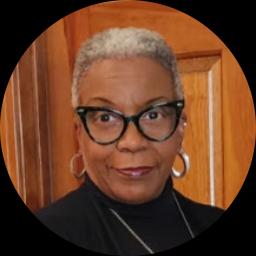
Suzanne Boak, LMSW
Therapist in Michigan
Suzanne Boak, LMSW, helps people facing relationship strain, grief, parenting challenges, stress, anxiety, trauma and related struggles.
- License 6801064436 · Michigan Expires July 2028
- NPI 1659128080 · national registry
- Experience and languages 32+ years in practice English
Details are as listed on the therapist's public professional profile. You can check any license with the state board and any NPI with the national registry.
About Suzanne
Suzanne Boak, LMSW, helps people facing relationship strain, grief, parenting challenges, stress, anxiety, trauma and related struggles. She welcomes conversations about intimacy concerns, anger, self-esteem, and coping with life changes. Her tone is direct and steady, aimed at someone who needs practical support now.
She frames sessions around clear goals. Conversations focus on communication skills, problem-solving, and building small habits that make daily life easier. Suzanne uses tools drawn from the Gottman Method to address interaction patterns and improve connection.
Background and approach
She also draws on client-centered listening to follow each person's pace. Over 32 years of practice, she has worked with caregivers, people managing chronic illness or pain, and those handling major life transitions. That time in practice informs a calm, experienced presence in sessions.
Suzanne aims to help people untangle family-of-origin issues, blended family stress, and the push-and-pull of commitment and control concerns. When trauma is part of the story, she brings in EMDR-informed strategies to reduce the hold of painful memories and reactions. Motivational interviewing and solution-focused techniques guide practical steps when change feels overwhelming.
The result is an approach that balances talking, skills practice, and action plans. Suzanne is based in Michigan and conducts work in English. She offers a steady, straightforward style for people who want clear next steps and respectful, focused support.
Credentials
- LMSW (Michigan)
- License 6801064436 · expires July 2028
- NPI
- 1659128080 · national provider identifier
Both are public records. A state board register will confirm a license and its standing, and the national registry will confirm an NPI. This directory copies what the therapist lists and checks neither.
Focus areas and approaches
Everything Suzanne lists on their public professional profile, in their own terms.
- Relationship issues
- Family conflicts
- Grief
- Parenting issues
- Self esteem
- Stress, Anxiety
- Trauma and abuse
- Intimacy-related issues
- Anger management
- Coping with life changes
- Compassion fatigue
- Blended family issues
- Caregiver issues and stress
- Chronic pain, illness, and disability
- Commitment issues
- Communication problems
- Control issues
- Dependent personality
- Divorce and separation
- Family of origin issues
- Family problems
- Fatherhood issues
- First responder issues
- Forgiveness
- Guilt and shame
- Impulsivity
- Infidelity
- Isolation / loneliness
- Jealousy
- Life purpose
- Midlife crisis
- Veteran and Armed Forces Issues
- Money and financial issues
- Self-love
- Women's issues
- Workplace issues
Approaches Suzanne names
- Gottman Method
- Client-Centered Therapy
- Eye Movement Desensitization and Reprocessing (EMDR)
- Motivational Interviewing
- Solution-Focused Therapy
These are the approaches Suzanne names on their own professional profile. Naming an approach is not evidence of training or certification in it, and this directory checks no training records. Ask directly if it matters to you.
Online support
How Suzanne’s Approaches Translate to Online Care
Gottman-informed work focuses on how people interact with close others. Online sessions can be used to practice communication patterns and learn new ways of handling conflicts and repairs. Client-centered therapy emphasizes listening and supporting each person's own goals, which helps shape sessions around what matters most to the client.When trauma is in the background, Suzanne draws on elements of Eye Movement Desensitization and Reprocessing (EMDR) to reduce the intensity of distressing memories and reactions. These strategies can be adapted for remote work with paced steps and careful check-ins. Together, therapist and client decide which approach fits the issue and the person’s comfort level in a collaborative way.
Online formats include video calls, phone sessions, live chat, and text-based messaging. Video lets people see nonverbal cues and practice conversations; phone sessions work well when bandwidth is limited or a simpler check-in is needed; chat or messaging suits quick updates, brief skill practice, or times when typing feels easier. These options make scheduling more flexible and can help therapy fit into a busy life.
We will earn a commission if you sign up through our link, at no cost to you. It does not change what you pay or the order of the listings.
Frequently asked
What concerns does Suzanne help with?
Suzanne supports people with relationship strain, family problems, grief, parenting stress, self-esteem, anxiety, trauma and related issues such as compassion fatigue and coping with life changes.
What is her therapeutic style like?
She uses a straightforward, goal-oriented style that blends listening with skill-building. Sessions focus on improving communication, managing strong emotions, and developing practical coping steps.
How much experience does she have?
She brings 32 years of clinical experience, including work with caregivers and people managing chronic health challenges.
What credentials and location are listed?
Suzanne holds an LMSW and practices from Michigan.
Which languages are supported and are international clients accepted?
Sessions are offered in English and international clients are not currently accepted.
What session formats are available?
She offers video calls, phone sessions, live chat, and text-based messaging to fit different schedules and needs.
How are costs handled?
Cost varies by location and therapist availability and uses a subscription model that can be canceled at any time.
How do I begin therapy with her?
Start by selecting the Start Therapy button, completing a short matching questionnaire, and then scheduling sessions according to therapist availability.
More therapists in Michigan
See all
Regina Simon
LMSW

Selina Wilkins
LPC
Laurie Jolly
LMSW

Dr. Deborah Bailey
LMFT
Is this your profile?
Ask us to correct details or take the page down.