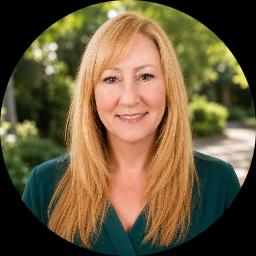
Michelle Newton, LMHC
Therapist in Washington
Michelle Newton is a licensed mental health counselor based in Washington.
- License LH60507972 · Washington Expires June 2027
- NPI 1083881775 · national registry
- Experience and languages 18+ years in practice English
Details are as listed on the therapist's public professional profile. You can check any license with the state board and any NPI with the national registry.
About Michelle
Michelle Newton is a licensed mental health counselor based in Washington. She has 18 years of experience helping people manage stress, anxiety, relationship struggles, trauma and parenting challenges. Michelle works one person at a time to create steady, practical change.
Her approach is warm and down-to-earth. Sessions focus on clear goals, real skills, and steady progress. She listens first, then offers tools drawn from several well-known therapies to fit each person's needs.
Background and approach
Michelle uses methods that help with thinking patterns, emotions, and relationship habits. She often draws on Cognitive Behavioral Therapy to identify unhelpful thoughts, Acceptance and Commitment Therapy to clarify values and action, and Attachment-Based ideas to strengthen emotional bonds. She also incorporates Gottman Method principles when working on relationship patterns.
Michelle has a long background working with trauma, ADHD, autism spectrum concerns, and caregiving stress. Her work includes helping people cope with chronic illness, codependency, communication problems, and the fallout from separation or loss. People meet with Michelle for focused skill practice and plainspoken guidance.
Sessions aim to leave clients with tools they can use between meetings. She encourages steady steps rather than quick fixes, and partners with clients to set realistic plans for change.
Credentials
- LMHC (Washington)
- License LH60507972 · expires June 2027
- NPI
- 1083881775 · national provider identifier
Both are public records. A state board register will confirm a license and its standing, and the national registry will confirm an NPI. This directory copies what the therapist lists and checks neither.
Focus areas and approaches
Everything Michelle lists on their public professional profile, in their own terms.
- Stress, Anxiety
- Relationship issues
- Trauma and abuse
- Parenting issues
- ADHD
- Abandonment
- Aging and geriatric issues
- Attachment issues
- Autism and Asperger Syndrome
- Blended family issues
- Caregiver issues and stress
- Chronic pain, illness, and disability
- Co-morbidity
- Codependency
- Commitment issues
- Communication problems
- Control issues
- Dependent personality
- Dissociation
- Divorce and separation
- Emptiness
- Family of origin issues
- Family problems
- Fatherhood issues
- Fertility issues
- First responder issues
- Forgiveness
- Gender dysphoria
- Guilt and shame
- Hospice and end-of-life counseling
- Impulsivity
- Infidelity
- Isolation / loneliness
- Jealousy
- Life purpose
- Midlife crisis
- Money and financial issues
- Mood disorders
- Narcissism
- Panic disorder and panic attacks
- Postpartum depression
- Post-traumatic stress
- Pregnancy and childbirth
- Seasonal Affective Disorder (SAD)
- Self-harm
- Self-love
- Women's issues
- Workplace issues
Approaches Michelle names
- Gottman Method
- Acceptance and Commitment Therapy (ACT)
- Attachment-Based Therapy
- Client-Centered Therapy
- Cognitive Behavioral Therapy (CBT)
- Dialectical Behavior Therapy (DBT)
- Emotionally-Focused Therapy (EFT)
- Imago Relationship Therapy
- Mindfulness Therapy
- Motivational Interviewing
- Narrative Therapy
- Solution-Focused Therapy
- Somatic Therapy
- Trauma-Focused Therapy
- Internal Family Systems
- Systemic Therapy
These are the approaches Michelle names on their own professional profile. Naming an approach is not evidence of training or certification in it, and this directory checks no training records. Ask directly if it matters to you.
Online support
Therapy approaches and online support
Michelle often uses Acceptance and Commitment Therapy to help people clarify what matters to them and take steps toward those values even when feelings are difficult. ACT is useful for anxiety, stress, and when someone wants a clear plan for changing behavior. She also draws on Attachment-Based Therapy to understand how early bonds affect current relationships and reactions. That approach helps when communication problems, abandonment concerns, or trust issues are part of the struggle. When working online, Michelle treats the choice of approach as collaborative. She will talk with each person about their situation, goals, and preferences, and then recommend a mix of methods that seems likely to help. Finding the right fit is part of the work together. Online sessions are offered by video calls, phone, live chat, or text-based messaging to make therapy more flexible. Video works well for in-depth conversation and skills practice, phone sessions can fit a work break or low-bandwidth situation, and messaging or live chat can be used for short check-ins or ongoing support between meetings. These options let people keep therapy consistent while fitting it into busy lives.We will earn a commission if you sign up through our link, at no cost to you. It does not change what you pay or the order of the listings.
Frequently asked
What concerns does Michelle help with?
She supports people facing stress, anxiety, relationship struggles, trauma and abuse, parenting issues, and ADHD. Additional areas include attachment issues, caregiving stress, chronic illness, communication problems, and separation.
What is her therapy style like?
Her style is down-to-earth and empathetic. Sessions are practical and goal-focused, with time spent on learning skills and applying them between meetings.
How much experience does she have?
She has 18 years of clinical experience working with a variety of mental health and relationship issues.
What credentials and region apply?
Michelle holds the Licensed Mental Health Counselor credential (LMHC) and practices in Washington state.
Which languages are offered for sessions?
Sessions are offered in English.
Are international clients accepted?
International clients are not currently accepted.
What session formats are available?
She offers video calls, phone sessions, live chat, and text-based messaging to suit different needs and schedules.
How are costs and starting steps handled?
Cost varies with location and a subscription model is used that can be canceled at any time. To begin, select the Start Therapy button, complete a short matching questionnaire, and schedule according to therapist availability.
More therapists in Washington
See all
Sarah Ross
LMHC
Mark Sikora
LICSW
Nancy Jones Batch
LMHC

Janelle Butler
LMHC
Is this your profile?
Ask us to correct details or take the page down.