
Patricia Sumlin, LMFT
Therapist in Washington
Patricia Sumlin is a licensed marriage and family therapist with 25 years of experience who focuses on helping people navigate stress, anxiety, trauma, grief, and relationship challenges.
- License 44844, LF 60059026 · California, Washington Expires October 2026, October 2026
- NPI 1891899027 · national registry
- Experience and languages 25+ years in practice English
Details are as listed on the therapist's public professional profile. You can check any license with the state board and any NPI with the national registry.
About Patricia
Patricia Sumlin is a licensed marriage and family therapist with 25 years of experience who focuses on helping people navigate stress, anxiety, trauma, grief, and relationship challenges. She speaks plainly and works to create a straightforward, respectful space where clients feel heard and taken seriously.
Patricia aims to help people build practical skills so they can manage emotions and regain a sense of stability in daily life. Her approach blends several evidence-informed methods to match what each person needs.
Background and approach
She draws on Gottman Method ideas for relationship patterns, Acceptance and Commitment Therapy to clarify values and actions, and attachment-based thinking to look at how past bonds shape current struggles. Cognitive behavioral techniques are used to spot unhelpful thinking and try different behaviors. Patricia has worked across many settings, including outpatient clinics, residential programs, hospice counseling, and trauma-informed services in remote communities.
That background shapes a pragmatic style that combines insight, education, and hands-on skill building. She is committed to straightforward feedback and shared decision making in sessions. Clients can expect a mix of talk, practical exercises, and coaching toward realistic goals.
Patricia pays attention to cultural and neurodiversity issues, and offers support around adoption, caregiving, addiction, and identity concerns. Sessions aim to leave people with clearer steps and skills to use between appointments. She practices in Washington as a CA LMFT and WA LMFT LF and conducts sessions in English.
For many people the work begins by choosing a direction together and practicing small changes that add up over time.
Credentials
- LMFT (California)
- License 44844 · expires October 2026
- LMFT (Washington)
- License LF 60059026 · expires October 2026
- NPI
- 1891899027 · national provider identifier
Both are public records. A state board register will confirm a license and its standing, and the national registry will confirm an NPI. This directory copies what the therapist lists and checks neither.
Focus areas and approaches
Everything Patricia lists on their public professional profile, in their own terms.
- Stress, Anxiety
- Relationship issues
- Family conflicts
- Trauma and abuse
- Depression
- Addictions
- LGBT
- Grief
- Intimacy-related issues
- Eating disorders
- Sleeping disorders
- Parenting issues
- Anger management
- Self esteem
- Career difficulties
- Bipolar disorder
- Coping with life changes
- Coaching
- Compassion fatigue
- ADHD
- Abandonment
- Adoption and foster care
- Aging and geriatric issues
- Antisocial personality
- Attachment issues
- Autism and Asperger Syndrome
- Avoidant personality
- Blended family issues
- Body image
- Cancer
- Caregiver issues and stress
- Chronic pain, illness, and disability
- Co-morbidity
- Codependency
- Commitment issues
- Communication problems
- Control issues
- Coping with natural or human-caused disaster
- Dependent personality
- Disruptive Mood Dysregulation Disorder (DMDD)
- Dissociation
- Divorce and separation
- Domestic violence
- Drug and alcohol addiction
- Eating and food-related issues
- Emptiness
- Family of origin issues
- Family problems
- Fatherhood issues
- First responder issues
- Gender dysphoria
- Guilt and shame
- Hearing impaired
- HIV / AIDS
- Hoarding
- Hospice and end-of-life counseling
- Immigration issues
- Impulsivity
- Infidelity
- Intellectual disability
- Isolation / loneliness
- Jealousy
- Life purpose
- Men's issues
- Midlife crisis
- Veteran and Armed Forces Issues
- Money and financial issues
- Mood disorders
- Multicultural concerns
- Narcissism
- Obsessions, compulsions, and OCD
- Panic disorder and panic attacks
- Paranoia
- Personality disorders
- Phobias
- Postpartum depression
- Post-traumatic stress
- Pregnancy and childbirth
- Prejudice and discrimination
- Process addiction (porn, exercise, gambling)
- Seasonal Affective Disorder (SAD)
- Self-harm
- Self-love
- Sex addiction
- Sexual assault and abuse
- Sexual dysfunction
- Sexuality
- Social anxiety and phobia
- Trichotillomania
- Visually impaired
- Women's issues
- Workplace issues
Approaches Patricia names
- Gottman Method
- Acceptance and Commitment Therapy (ACT)
- Attachment-Based Therapy
- Client-Centered Therapy
- Cognitive Behavioral Therapy (CBT)
- Dialectical Behavior Therapy (DBT)
- Eye Movement Desensitization and Reprocessing (EMDR)
- Jungian Therapy
- Mindfulness Therapy
- Motivational Interviewing
- Narrative Therapy
- Psychodynamic Therapy
- Solution-Focused Therapy
- Trauma-Focused Therapy
- Internal Family Systems
These are the approaches Patricia names on their own professional profile. Naming an approach is not evidence of training or certification in it, and this directory checks no training records. Ask directly if it matters to you.
Online support
How approaches like Gottman, ACT, and Attachment translate online
Gottman Method ideas focus on identifying interaction patterns and building specific skills for communication and connection. Online sessions can use conversation, role-play, and exercises to practice those interaction skills and try new ways of relating.Acceptance and Commitment Therapy, or ACT, helps people clarify what matters to them and take committed action toward those values. In remote sessions this often looks like short values exercises, goal-setting, and behavioral experiments to try between appointments.
Attachment-Based Therapy pays attention to how early bonds shape current relationships and emotion responses. Therapy online can help people name those patterns, rehearse different responses, and track progress over time.
Choosing the right approach is collaborative. The therapist will talk with the client about goals, preferences, and what feels most useful, then adjust methods as work progresses. That ongoing decision making helps keep sessions relevant and focused on real-life change.
Online therapy offers flexibility and practical convenience. Video calls let people use visual cues and work through interactive exercises. Phone sessions need less bandwidth and can be easier to fit into a work break. Live chat and text messaging make it simple to check in, get short coaching, or continue practice between appointments.
We will earn a commission if you sign up through our link, at no cost to you. It does not change what you pay or the order of the listings.
Frequently asked
What kinds of concerns does Patricia help with?
She helps people with stress, anxiety, depression, trauma and abuse, relationship and intimacy issues, addictions, grief, sleep and eating concerns, parenting strain, ADHD, and related topics such as abandonment and caregiving stress.
What is her general therapeutic style?
Her style is straightforward, respectful, and practical. Sessions combine talk, education, coaching, and exercises to build skills for managing emotions and daily challenges.
How much experience does she have?
She has 25 years of clinical experience across outpatient clinics, residential programs, hospice counseling, and trauma-informed work in remote communities.
What credentials and location are listed for this therapist?
She is a LMFT listed as CA LMFT and WA LMFT LF and practices in Washington.
Which languages are supported for sessions?
Sessions are offered in English.
Can international clients work with her?
International clients are not currently accepted.
What session formats are available?
She offers video calls, phone sessions, live chat, and text-based messaging to suit different needs and schedules.
How do I begin working with her?
Start by selecting the Start Therapy button, complete the short matching questionnaire, and then schedule sessions according to therapist availability.
More therapists in Washington
See all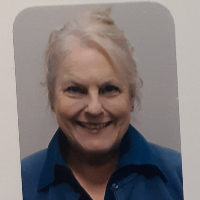
Sarah Ross
LMHC

Mark Sikora
LICSW

Nancy Jones Batch
LMHC

Janelle Butler
LMHC
Is this your profile?
Ask us to correct details or take the page down.