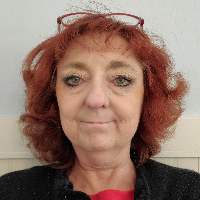
Linda Pollack
LPC
Works with Stress, Anxiety, Addictions, Relationship and 12 more
Location Arizona 25 years in practice
Gottman Method therapist directory
420 therapists list gambling among the things they work with. All offer sessions online, and every profile shows the registering body, the membership number and when it runs to.
This page lists therapists who work with gambling-related concerns and their effects on relationships, finances, and daily life. Use the listings below to explore profiles, approaches, languages, and professional backgrounds to find a good match.
LPC
LMFT
LMHC
LPC-MHSP
LPC
LPC
LPC
LCSW
LMHC
LMHC
LCSW
LPC
LCMHC
NY Psychoanalyst
LMFT
LCPC
LCSW
LPC
LMFT
LPC
LPC
LPCC
LMFT
LMHC
LCSW
LCSW
LPC
LPC
LMHC
LCSW
LPC
LMFT
LPC
LCSW
LPC
LMHC
LMHC
LPC
LMHC
LCPC
LMFT
LCSW
LCPC, LPC
LCSW
Some links on this page are partner links. We will earn a commission if you sign up through one, at no cost to you. It does not change what you pay or the order of the listings.
Gambling refers to placing money or something of value on an uncertain outcome with the hope of a favorable result. For some people gambling is an occasional recreational activity. For others it can become a recurring pattern that interferes with work, relationships, or finances. The experience of gambling-related problems varies widely. You may notice that gambling occupies a great deal of mental space, that impulses to gamble are triggered by stress or boredom, or that losses lead to repeated attempts to recover money. Emotional consequences can include anxiety, shame, and mood swings, while practical consequences often involve strained family relationships, debt, and disruptions to daily routines.
Because gambling touches many parts of life, people who seek help often describe both behavioral patterns and relational fallout. Partners and family members can be affected by secrecy, trust breaches, and changing financial roles. If you are reading this, you may be trying to understand whether your experience is something you want support with, how therapy might help, and what types of professionals list gambling as a focus. Therapists on our directory identify gambling among the concerns they work with and typically address both the individual experience and its impact on relationships and responsibilities.
Therapy may be helpful if gambling is causing distress or harming important areas of your life. You might notice that gambling feels difficult to control despite negative consequences, or that you spend more time thinking about gambling than you want to. Other signs include borrowing money or hiding losses, feeling restless or irritable when not gambling, and making repeated attempts to cut back that do not last. You may also observe that gambling has begun to erode trust with loved ones, create financial instability, or interfere with work or schooling.
It is not necessary to wait for a crisis to reach out for support. Many people consult a therapist when they first notice patterns they want to change, when a partner suggests counseling, or when financial strain becomes difficult to manage. Therapy can help you build clarity about the role gambling plays in your life, identify triggers and high-risk situations, and develop alternative coping strategies. You can also work on repairing relationships and planning for financial recovery with a therapist who understands the emotional and practical themes common to gambling concerns.
Early sessions typically focus on understanding your history with gambling and the goals you want to set. A therapist will ask about when gambling started, what situations or emotions tend to trigger it, and how it affects your relationships, work, and finances. You and your therapist will discuss immediate concerns and outline realistic short-term and long-term objectives. Expect a collaborative process where you identify measurable goals, such as reducing frequency, managing urges, improving communication with loved ones, or stabilizing finances.
In ongoing sessions you will explore the thoughts and feelings that accompany gambling behavior and practice skills to manage urges and high-risk moments. Therapy often involves learning alternative coping strategies for stress and boredom, developing relapse planning, and strengthening decision-making around money and time. If relationships have been affected, work with a therapist may include communication skills, boundary setting, and rebuilding trust. Progress is usually gradual and individualized, and your therapist will adapt interventions to match your pace and preferences.
Therapists use a range of approaches when working with gambling-related issues. Cognitive-behavioral approaches commonly focus on identifying unhelpful thoughts and behaviors that maintain gambling and teaching practical strategies to change those patterns. Motivational approaches aim to strengthen your own reasons for change and can be useful when you feel ambivalent. Relapse prevention work looks at triggers and warning signs, helping you plan responses before high-risk situations occur.
Other approaches you may encounter include therapy that attends to emotions and interpersonal patterns, especially when gambling is connected to relationship stress or trauma. Some therapists list mindfulness-based strategies among their approaches to help you notice urges without acting on them. Family or couples work addresses the impact on partners and family dynamics, creating a space to negotiate new agreements about finances and boundaries. If you see references in profiles to specific modalities, remember that listings reflect what a therapist says they work with, and you can ask them in a consultation how they apply those methods to gambling-related concerns.
Online therapy makes it possible to meet with a therapist through video, phone, or messaging. If you choose online sessions, you will generally schedule appointments much like in-person therapy and meet from your home or another convenient location. Many people find online therapy helpful when in-person options are limited by distance, mobility, or scheduling constraints. Online care can allow you to connect with therapists who list gambling as a focus even if they are located in a different area.
There are practical considerations to keep in mind when using online therapy. You will want to ensure you have a personal, quiet place where you can speak freely and cannot be overheard. Look into technical requirements such as internet speed and compatible devices. Ask about payment policies, cancellation terms, and whether a therapist is licensed to provide services where you live, since licensure rules vary by state. If insurance is part of your plan, confirm coverage and any documentation needed. Many therapists are able to discuss how they handle crisis planning and local resources as part of an initial conversation.
When selecting a therapist, start by thinking about the qualities that matter most to you. Consider whether you prefer someone who focuses on behavior change, someone who emphasizes relationship work, or someone who integrates both. Look at professional credentials listed in profiles, languages spoken, and descriptions of clinical focus to find a match with your needs. Pay attention to how therapists describe their approach to gambling because that will give you a sense of their perspective and methods.
It can be helpful to contact a few therapists to ask brief questions about their experience working with gambling-related issues, how they structure sessions, and what a typical course of work might look like. You may want to inquire about approaches you are curious about, such as cognitive-behavioral techniques, motivational strategies, or family-focused work. Think about logistics too - whether you prefer in-person or online sessions, what times work for you, and how fees or insurance are handled. Choosing a therapist is a personal decision and it is reasonable to meet with more than one clinician before deciding who feels like the best fit for your goals.
If you are managing immediate financial or legal concerns related to gambling, a therapist can help you plan next steps and connect with specialized resources. Therapy is most effective when you and your clinician work together to set clear goals, track progress, and adjust strategies as life changes. Taking the first step to explore listings and reach out for information can help you move toward solutions that match your values and priorities.