
Dominic Valdes, LCSW
Therapist in California
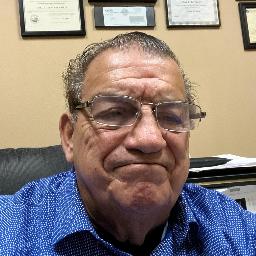
Dominic Valdes is a licensed clinical social worker who focuses on practical, down-to-earth therapy.
- License 71010 · California Expires November 2027
- NPI 1518242387 · national registry
- Experience and languages 17+ years in practice English
Details are as listed on the therapist's public professional profile. You can check any license with the state board and any NPI with the national registry.
About Dominic
Dominic Valdes is a licensed clinical social worker who focuses on practical, down-to-earth therapy. He centers conversations on the problems people bring in each week and helps them find steps that fit their life. Sessions aim to reduce overwhelm and build skills for handling stress, anxiety, and relationship strain.
He works with people facing trauma, depression, addiction, and intimacy-related concerns. Dominic also supports those navigating gender dysphoria, HIV/AIDS issues, and questions around sexual identity and alternative sexual cultures.
Background and approach
He often helps with attachment wounds, abandonment, jealousy, and commitment challenges. Dominic uses several evidence-informed approaches to guide sessions. He draws from Client-Centered Therapy to keep the focus on each person's priorities.
He also applies Cognitive Behavioral Therapy to spot unhelpful thinking and Dialectical Behavior Therapy for emotional regulation skills. In practice he keeps sessions direct and collaborative. People can expect clear goals, homework when it helps, and attention to culture and identity.
Dominic aims to create a space where people can speak openly about difficult topics without being judged. He brings 17 years of experience as an LCSW licensed in California. That background includes work with LGBTQ+ individuals and adults dealing with relationship injuries, addiction, and trauma.
Dominic uses that experience to tailor treatment plans to each person's needs.
Credentials
- LCSW (California)
- License 71010 · expires November 2027
- NPI
- 1518242387 · national provider identifier
Both are public records. A state board register will confirm a license and its standing, and the national registry will confirm an NPI. This directory copies what the therapist lists and checks neither.
Focus areas and approaches
Everything Dominic lists on their public professional profile, in their own terms.
- Stress, Anxiety
- LGBT
- Relationship issues
- Trauma and abuse
- Depression
- Addictions
- Intimacy-related issues
- Anger management
- Self esteem
- Abandonment
- Attachment issues
- BDSM, kink, and alternative sex culture
- Commitment issues
- Control issues
- Drug and alcohol addiction
- Family problems
- Gender dysphoria
- HIV / AIDS
- Infidelity
- Isolation / loneliness
- Jealousy
- Men's issues
- Narcissism
- Polyamory / non-monogamous relationships
- Post-traumatic stress
- Prejudice and discrimination
- Process addiction (porn, exercise, gambling)
- Sex addiction
- Sexual dysfunction
- Sexuality
- Social anxiety and phobia
- Young adult issues
Approaches Dominic names
- Gottman Method
- Client-Centered Therapy
- Cognitive Behavioral Therapy (CBT)
- Dialectical Behavior Therapy (DBT)
- Eye Movement Desensitization and Reprocessing (EMDR)
- Motivational Interviewing
- Psychodynamic Therapy
- Solution-Focused Therapy
- Trauma-Focused Therapy
- Internal Family Systems
These are the approaches Dominic names on their own professional profile. Naming an approach is not evidence of training or certification in it, and this directory checks no training records. Ask directly if it matters to you.
Online support
How therapy approaches translate to online care
Gottman Method principles focus on improving communication patterns and understanding recurring relationship behaviors. Online sessions can use these ideas to practice new ways of talking, handle conflict, and rebuild trust through structured conversations and exercises.Client-Centered Therapy emphasizes listening, empathy, and following each person's pace. In virtual work this means the therapist centers what matters most to the client and helps them set goals that feel manageable online or by phone.
Cognitive Behavioral Therapy, or CBT, targets thoughts and behaviors that keep problems going. It works well in remote formats because clients can try new skills between sessions and then review progress in video, phone, or messaging check-ins.
Choosing the right approach is a collaborative process. The therapist will talk through options, consider your goals and preferences, and recommend approaches that match your needs. Plans can be adjusted as you go so methods and pace remain useful.
Online formats offer practical benefits. Video calls let you use visual cues and role-plays. Phone sessions need less bandwidth and can fit a break at work. Live chat and text messaging are helpful for brief check-ins, step-by-step coping skills, or when writing feels easier than speaking. These options increase flexibility and make it easier to keep therapy consistent around a busy life.
We will earn a commission if you sign up through our link, at no cost to you. It does not change what you pay or the order of the listings.
Frequently asked
What kinds of concerns does Dominic address?
He helps people with stress, anxiety, depression, trauma and abuse, addictions, relationship and intimacy-related issues, anger, and low self-esteem, plus focused topics like attachment, abandonment, and infidelity.
What is his general therapeutic style?
Sessions are collaborative and practical, blending a client-centered stance with structured tools to change thinking and manage emotions.
How much experience does he have?
Dominic has 17 years of clinical experience working with adults on relationship difficulties, addictive behaviors, trauma, and identity-related concerns.
Where is he licensed and based?
He is a licensed clinical social worker (LCSW) practicing in California.
Which languages are supported for sessions?
Sessions are offered in English.
Can international clients work with him?
He does not work with international clients at this time.
What session formats are available?
He offers video calls, phone sessions, live chat, and text-based messaging to fit different schedules and communication preferences.
How do I begin working with him?
Click the Start Therapy button, complete the short matching questionnaire, and schedule sessions according to the therapist's listed availability.
More therapists in California
See all
Gian Sarabia
LMFT

Katherine Eldean
LMFT

Chauncey Chatman
LMFT
Earl Barrios
LPCC
Is this your profile?
Ask us to correct details or take the page down.