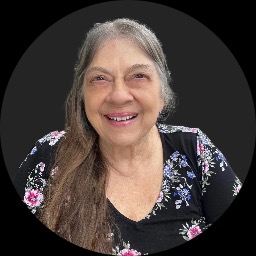
Pamela Kesler, LMFT
Therapist in California
Pamela Kesler is a Licensed Marriage and Family Therapist with five decades of professional experience in California.
- License 37603 · California Expires November 2026
- NPI 1114036753 · national registry
- Experience and languages 50+ years in practice English
Details are as listed on the therapist's public professional profile. You can check any license with the state board and any NPI with the national registry.
About Pamela
Pamela Kesler is a Licensed Marriage and Family Therapist with five decades of professional experience in California. She focuses on stress, anxiety, trauma and abuse, grief, and depression. Pamela emphasizes a respectful, person-centered approach and treats each person as the expert on their own life.
She often combines practical tools with trauma-focused work to help people manage symptoms and move forward. Pamela uses Eye Movement Desensitization and Reprocessing, Cognitive Behavioral Therapy, Gottman Method ideas, and mindfulness strategies when they fit a person's needs.
Background and approach
Sessions tend to focus on concrete skills and paced processing rather than long lectures. Her long experience includes supporting people coping with chronic pain, caregiving burdens, addiction, and major life transitions such as divorce and separation. She also helps with attachment concerns, commitment and communication difficulties, and problems that come with aging or illness.
Pamela aims to build on each person's strengths and life story. She offers steady guidance while encouraging practical steps that can be tried between sessions. The work is collaborative and goal oriented, with progress measured in day-to-day improvements.
People who choose her work can expect straightforward talk, skill practice, and trauma-informed techniques when appropriate. Pamela will listen, help set realistic goals, and support people as they make changes that matter to their daily lives.
Credentials
- LMFT (California)
- License 37603 · expires November 2026
- NPI
- 1114036753 · national provider identifier
Both are public records. A state board register will confirm a license and its standing, and the national registry will confirm an NPI. This directory copies what the therapist lists and checks neither.
Focus areas and approaches
Everything Pamela lists on their public professional profile, in their own terms.
- Stress, Anxiety
- Trauma and abuse
- Grief
- Depression
- Aging and geriatric issues
- Attachment issues
- Caregiver issues and stress
- Chronic pain, illness, and disability
- Codependency
- Commitment issues
- Communication problems
- Control issues
- Coping with natural or human-caused disaster
- Disruptive Mood Dysregulation Disorder (DMDD)
- Dissociation
- Divorce and separation
- Domestic violence
- Drug and alcohol addiction
- Emptiness
- Family of origin issues
- Family problems
- First responder issues
- Forgiveness
- Guilt and shame
- Hearing impaired
- Hoarding
- Hospice and end-of-life counseling
- Immigration issues
- Impulsivity
- Infidelity
- Jealousy
- Life purpose
- Midlife crisis
- Veteran and Armed Forces Issues
- Mood disorders
- Narcissism
- Panic disorder and panic attacks
- Personality disorders
- Phobias
- Post-traumatic stress
- Sexual assault and abuse
- Sexuality
- Social anxiety and phobia
- Somatization
- Women's issues
- Workplace issues
- Young adult issues
Approaches Pamela names
- Gottman Method
- Client-Centered Therapy
- Cognitive Behavioral Therapy (CBT)
- Eye Movement Desensitization and Reprocessing (EMDR)
- Mindfulness Therapy
- Trauma-Focused Therapy
These are the approaches Pamela names on their own professional profile. Naming an approach is not evidence of training or certification in it, and this directory checks no training records. Ask directly if it matters to you.
Online support
Approaches that translate well to online care
Client-Centered Therapy focuses on listening, empathy, and helping people find their own solutions. In online sessions this looks like open conversation, reflective feedback, and setting goals together to try between meetings. Cognitive Behavioral Therapy, or CBT, breaks problems into thoughts, feelings, and actions and teaches practical exercises to change unhelpful patterns; it works well over video or messaging because homework and skill practice can be shared and reviewed. The Gottman Method provides tools for clearer communication and managing conflict; its exercises and structured conversations can be guided effectively in virtual sessions.Choosing the right approach is a collaborative process. The therapist will talk with the client about goals, preferences, and what has or hasn’t worked before. Together they decide which combination of methods to try and adjust the plan as progress is made.
Online therapy offers flexibility with several ways to connect: video calls for face-to-face work, phone sessions when bandwidth is limited, live chat for brief check-ins, and text-based messaging for quick support or ongoing check-ins. These formats make it easier to fit therapy into busy schedules, maintain continuity during life changes, and use shorter contacts for skill practice between longer sessions.
We will earn a commission if you sign up through our link, at no cost to you. It does not change what you pay or the order of the listings.
Frequently asked
What kinds of concerns does Pamela help with?
Pamela works with stress, anxiety, trauma and abuse, grief, and depression. She also addresses related issues like caregiver stress, chronic pain, addiction, and relationship communication problems.
What is her general therapy style?
Her approach is collaborative and person-centered. Sessions focus on practical skills, paced trauma processing, and building on individual strengths.
How much experience does she bring?
Pamela has 50 years of professional experience providing mental health support. She draws on that experience to help people navigate complex life challenges.
What are her credentials and where is she based?
She is a Licensed Marriage and Family Therapist, California LMFT, and practices in California.
Which languages are available for sessions?
Sessions are offered in English.
Can people outside the U.S. work with her?
She does not accept international clients at this time.
What session formats does she use?
Therapy is offered via video calls, phone sessions, live chat, and text-based messaging. These options let people choose what fits their schedule and needs.
How are costs and getting started handled?
Costs vary with location and therapist availability and use a subscription that can be canceled at any time. To begin, select the Start Therapy button, complete the short matching questionnaire, and schedule according to therapist availability.
More therapists in California
See all
Gian Sarabia
LMFT

Katherine Eldean
LMFT

Chauncey Chatman
LMFT

Earl Barrios
LPCC
Is this your profile?
Ask us to correct details or take the page down.