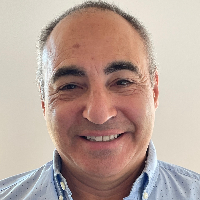
Stuart Riskin, LCSW
Therapist in California
Stuart Riskin is a Licensed Clinical Social Worker (LCSW) with 28 years in the helping professions.
- License 22300 · California Expires July 2026
- NPI 1447518436 · national registry
- Experience and languages 28+ years in practice English
Details are as listed on the therapist's public professional profile. You can check any license with the state board and any NPI with the national registry.
About Stuart
Stuart Riskin is a Licensed Clinical Social Worker (LCSW) with 28 years in the helping professions. He focuses on practical steps that reduce stress and improve daily life. His style is direct but warm, and he treats each person with respect and clear goals.
Stuart began his career in the entertainment industry before retraining as a social worker. That nontraditional path gave him experience in both public and personal settings.
Background and approach
He draws on that variety when helping people handle anxiety, addictions, depression, grief, and career or life transitions. In sessions he works from a strengths-based frame and treats clients as partners. He combines client-centered listening with tools from cognitive behavioral therapy and mindfulness exercises.
He also integrates elements of Emotionally-Focused Therapy and the Gottman Method where useful for relationship matters and communication concerns. Stuart helps people address a wide range of concerns such as parenting stress, compassion fatigue, ADHD, attachment and intimacy-related issues, and codependency. He also supports people coping with trauma, domestic violence, substance issues, and complicated life changes like separation or caregiving stress.
People can expect straightforward conversation, goal-setting, and homework when appropriate. Stuart emphasizes collaboration so changes fit each person’s life and values. He practices from California and offers sessions that suit different schedules and needs.
Credentials
- LCSW (California)
- License 22300 · expires July 2026
- NPI
- 1447518436 · national provider identifier
Both are public records. A state board register will confirm a license and its standing, and the national registry will confirm an NPI. This directory copies what the therapist lists and checks neither.
Focus areas and approaches
Everything Stuart lists on their public professional profile, in their own terms.
- Stress, Anxiety
- Addictions
- LGBT
- Relationship issues
- Depression
- Family conflicts
- Trauma and abuse
- Grief
- Intimacy-related issues
- Parenting issues
- Anger management
- Self esteem
- Career difficulties
- Bipolar disorder
- Coping with life changes
- Coaching
- Compassion fatigue
- ADHD
- Abandonment
- Adoption and foster care
- Aging and geriatric issues
- Attachment issues
- Avoidant personality
- Blended family issues
- Caregiver issues and stress
- Codependency
- Commitment issues
- Communication problems
- Control issues
- Dependent personality
- Divorce and separation
- Domestic violence
- Drug and alcohol addiction
- Emptiness
- Family of origin issues
- Family problems
- Fatherhood issues
- Forgiveness
- Gender dysphoria
- Guilt and shame
- HIV / AIDS
- Impulsivity
- Infidelity
- Isolation / loneliness
- Jealousy
- Life purpose
- Men's issues
- Midlife crisis
- Veteran and Armed Forces Issues
- Mood disorders
- Multicultural concerns
- Obsessions, compulsions, and OCD
- Panic disorder and panic attacks
- Polyamory / non-monogamous relationships
- Post-traumatic stress
- Prejudice and discrimination
- Process addiction (porn, exercise, gambling)
- Self-harm
- Self-love
- Sex addiction
- Sexual assault and abuse
- Sexual dysfunction
- Sexuality
- Social anxiety and phobia
- Workplace issues
- Young adult issues
Approaches Stuart names
- Gottman Method
- Client-Centered Therapy
- Cognitive Behavioral Therapy (CBT)
- Emotionally-Focused Therapy (EFT)
- Mindfulness Therapy
- Motivational Interviewing
- Narrative Therapy
- Psychodynamic Therapy
- Solution-Focused Therapy
- Trauma-Focused Therapy
- Internal Family Systems
These are the approaches Stuart names on their own professional profile. Naming an approach is not evidence of training or certification in it, and this directory checks no training records. Ask directly if it matters to you.
Online support
How Stuart Uses Evidence-Based Approaches Online
Stuart uses several practical approaches in online work. The Gottman Method focuses on improving communication and managing conflict in close relationships through concrete skills and exercises. Client-Centered Therapy emphasizes listening, acceptance, and building on the person's strengths to set goals and make changes. Cognitive Behavioral Therapy (CBT) looks at how thoughts, feelings, and behaviors interact and offers specific techniques to reduce anxiety, manage mood, and change unhelpful habits.Deciding which approach to use is collaborative. Stuart will discuss goals, preferences, and what feels most useful, then adjust methods as progress is made. He views therapy as a partnership where techniques are chosen to match real-life needs and values.
Online formats include video calls, phone sessions, live chat, and text-based messaging. Video works well for in-depth sessions and visual cues, phone can be easier when bandwidth is limited, chat and messaging suit quick check-ins or brief coaching and allow flexibility across time zones. These options make it easier to fit therapy into work, caregiving, or travel schedules while keeping continuity of care.
We will earn a commission if you sign up through our link, at no cost to you. It does not change what you pay or the order of the listings.
Frequently asked
What kinds of concerns does Stuart work with?
He helps people with stress, anxiety, depression, addictions, trauma and grief, as well as relationship and intimacy-related issues.
What is Stuart's therapeutic style?
Sessions are supportive and goal-oriented, combining client-centered listening with practical strategies from CBT, mindfulness, EFT, and the Gottman Method.
How much experience does he have?
Stuart has 28 years of experience in the helping professions, with work in both public and personal settings.
What credentials and region are listed?
He is a Licensed Clinical Social Worker (LCSW) licensed in California and practices from that state.
Which languages and international arrangements are supported?
Sessions are offered in English and he accepts international clients.
In what formats are sessions offered?
He provides video calls, phone sessions, live chat, and text-based messaging to fit different needs and schedules.
How is cost handled for sessions?
Cost varies by location and therapist availability; sessions use a subscription that can be canceled at any time.
What are the first steps to begin working with him?
Click the Start Therapy button, complete a short matching questionnaire, and schedule sessions according to the therapist's availability.
More therapists in California
See all
Gian Sarabia
LMFT

Katherine Eldean
LMFT
Chauncey Chatman
LMFT
Earl Barrios
LPCC
Is this your profile?
Ask us to correct details or take the page down.