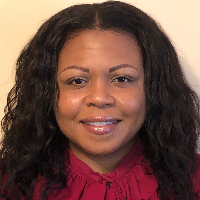
Taryn Santos
LMHC
Works with Stress, Anxiety, Grief, Self esteem and 9 more
Location New York 11 years in practice
Gottman Method therapist directory
51 therapists based in New York name the Gottman Method among their approaches. Sessions are online; a therapist can usually only see people in the states where they hold a license, so check the license line on each profile.
Welcome to Gottman Therapists' directory for online therapy serving New York. All therapists listed here are licensed in New York - explore profiles to compare approaches, credentials, languages, and specialties.
LMHC
NY Psychoanalyst
LCSW
LCSW
LCSW
LCSW
LMHC
LCSW
LCSW, LICSW
LMHC
LMHC
LMHC
LMFT
LMHC
LMHC
LMFT
LMHC
LMFT
LMHC, LPC
LMHC
LCSW
LMFT
LCSW
LCSW
LMHC
LCSW
LMFT
LMFT
LMFT
LCSW
LCSW
LMHC
LMHC
LMFT
LCSW
LMHC, LPCC
LMHC
LCSW
LMHC
LMFT
LMHC
LCSW
LCSW
LCSW
Some links on this page are partner links. We will earn a commission if you sign up through one, at no cost to you. It does not change what you pay or the order of the listings.
Online therapy has become a widely used option for many people living in New York, offering a way to connect with clinicians from home, work, or another comfortable setting. In recent years the landscape for remote mental health care has matured, and many licensed clinicians now include virtual sessions among their service options. If you live in New York, you will typically work with a clinician who is licensed to practice in the state. That licensure requirement helps ensure that the provider meets state standards for education and practice. Online therapy can take different forms - video sessions that resemble in-person appointments, phone calls, or messaging-based support depending on what a provider lists in their profile. When you browse listings, you will see therapists who describe their areas of focus, the approaches they use, languages they speak, and the populations they work with. Because services and approaches vary, use those profile details to find clinicians whose practice aligns with what you want from therapy.
Online therapy offers several practical advantages that can be particularly relevant for New Yorkers. You can avoid travel across congested city streets or long commutes from suburbs, which may save time and reduce the stress associated with getting to an office. For people with mobility challenges or caregiving responsibilities, an online session can make it easier to fit therapy into a busy schedule. Online sessions also allow you to connect with clinicians who speak specific languages or who list specialized experience that may not be available nearby. Many people find that the flexibility of virtual sessions makes it simpler to maintain continuity of care when you move within the state or have fluctuating commitments. Technology matters - a reliable internet connection and a device with a camera and microphone generally provide the best experience for live video sessions. You may also appreciate the clarity of a written record if a clinician offers messaging options. Keep in mind that online therapy is one of several ways to receive support, and the best choice depends on what you need from your clinician and how you prefer to communicate.
Online therapists address a broad range of concerns you might seek help for, from life transitions and relationship challenges to anxiety and stress related to work or family. Many clinicians list experience working with mood concerns, trauma, grief, and parenting stress, as well as relationship counseling and couple work. You will also find therapists who describe specialties such as working with adolescents, college students, or older adults. When looking at specific therapeutic approaches, note that some therapists list methods such as cognitive behavioral techniques, psychodynamic approaches, or trauma-informed care. If you are interested in modalities like EMDR, internal family systems, or other approaches, you will often see profiles that say a therapist lists EMDR among their approaches or that they utilize a given framework. Those profile statements indicate the approaches a clinician reports using, but they do not by themselves verify training or outcomes. Consider how a therapist describes their focus and the types of issues they commonly help with to decide whether their profile aligns with your needs.
Verifying a clinician’s license is an important step before beginning care. If you live in New York, look for therapists who indicate they hold a New York license such as LMSW, LCSW, LMFT, or psychologist licensure. You can confirm licensure through the New York State Education Department's Office of the Professions, which maintains an online license verification tool. To use it, enter the clinician’s full name or license number if it is listed on their profile, and review the record for active status and any public disciplinary history. The record will also typically show the professional title that the license permits. If you have questions about what the record shows, you can contact the state office for guidance on interpreting licensing information. In addition to checking state licensure, review the clinician’s listed education and credentials on their profile so you understand their background. Verifying license status gives you more certainty about whether a clinician is authorized to practice in New York and helps you make an informed decision about who to contact for care.
Beginning online therapy often starts with reviewing profiles to identify clinicians who list approaches, languages, and focus areas that match what you want to work on. When a profile looks like a potential fit, read the details about their education, population focus, and the types of concerns they address. Consider whether you prefer a clinician who emphasizes short-term goal work, longer-term therapy, or a specific modality. Prepare for a first conversation by clarifying your immediate goals, thinking about what has or has not helped in the past, and gathering practical information such as your insurance details if you plan to use insurance. Many clinicians include information about fees and insurance on their profiles, while others note that they offer a range of payment options. Before your first session, choose a quiet location with a reliable internet connection and test your device’s camera and microphone. During initial contact or an intake session, you can ask about how the clinician structures sessions, how they handle crises or urgent concerns, and how they coordinate care with other professionals when needed. That initial exchange is a chance for you to get a sense of rapport and whether the clinician’s style feels like a fit for your needs.
Choosing a therapist is a personal decision that benefits from attention to several practical factors. Focus first on the match between what you want to work on and the clinician’s listed specialties and approaches. Language and cultural competence can matter, so note whether a therapist lists languages you prefer or mentions experience with communities important to you. Review professional credentials and confirm licensure in New York using the state verification tool. Think about logistical fit, such as session length, typical session modality, and whether the clinician mentions offering phone, video, or messaging options. Reflect on how you prefer to work - some people want a more directive clinician who provides skills and structure, while others seek a reflective space to explore underlying patterns. When you contact a clinician, consider asking how they describe their typical work with clients who have concerns similar to yours and what a few early goals might look like. Trust your sense of comfort and communication during early exchanges; it is reasonable to choose a clinician whose explanations and approach feel clear and respectful. If a therapist’s profile lists particular approaches, remember that those listings indicate methods the clinician reports using rather than guarantees of specific outcomes. Take your time reviewing profiles and use the information they provide about approaches, credentials, languages, and focus areas to find a clinician who aligns with your priorities.
As you explore online therapy options in New York, remember that finding the right clinician often involves balancing professional qualifications with personal fit. Use profile details and state licensure records to confirm credentials, consider practical and cultural factors that influence your experience, and prepare for your first sessions by clarifying goals and logistical needs. With careful review and thoughtful questions, you can find a licensed online therapist in New York whose approach matches what you hope to achieve in therapy.