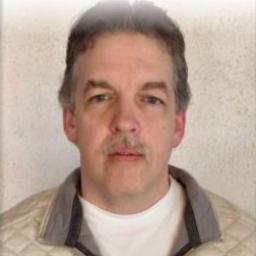
Dr. Anthony Shay, LPC
Therapist in Wisconsin
Dr.
- License 3326 - 125 · Wisconsin Expires February 2027
- NPI 1861983629 · national registry
- Experience and languages 3+ years in practice English
Details are as listed on the therapist's public professional profile. You can check any license with the state board and any NPI with the national registry.
About Anthony
Dr. Anthony Shay is a Licensed Professional Counselor (LPC) practicing in Wisconsin. He holds a Doctor of Education and a Master of Arts in Professional Counseling from Saint Mary’s University of Minnesota.
His training and background shape a practical, down-to-earth approach to therapy. He helps people manage stress, anxiety, depression, and bipolar symptoms. He also supports those dealing with trauma, grief, substance use, and anger.
Relationship and intimacy concerns are part of his focus, including communication problems and infidelity.
Background and approach
Dr. Shay blends several therapeutic approaches to match each person’s needs. He uses tools from Cognitive Behavioral Therapy to help people change unhelpful thinking and behavior.
He draws on Acceptance and Commitment Therapy to build meaningful values-based action. He also integrates Attachment-Based and client-centered ideas to strengthen relationships and emotional connection. Sessions are meant to be collaborative and practical.
Dr. Shay aims to set clear goals and teach skills that can be used between visits. He can also address work and career stress and the strain of caregiving, chronic illness, or aging concerns.
People who prefer a straightforward, skills-focused style may find his approach helpful. His experience includes vocational rehabilitation and faith-integrated services when clients want that included. Dr.
Shay offers therapy in English and accepts international clients for online work.
Credentials
- LPC (Wisconsin)
- License 3326 - 125 · expires February 2027
- NPI
- 1861983629 · national provider identifier
Both are public records. A state board register will confirm a license and its standing, and the national registry will confirm an NPI. This directory copies what the therapist lists and checks neither.
Focus areas and approaches
Everything Anthony lists on their public professional profile, in their own terms.
- Stress, Anxiety
- Trauma and abuse
- Anger management
- Self esteem
- Career difficulties
- Addictions
- Relationship issues
- Family conflicts
- Grief
- Intimacy-related issues
- Parenting issues
- Bipolar disorder
- Depression
- Coping with life changes
- Compassion fatigue
- ADHD
- Aging and geriatric issues
- Chronic pain, illness, and disability
- Co-morbidity
- Communication problems
- Control issues
- Dissociation
- Divorce and separation
- Domestic violence
- Drug and alcohol addiction
- Emptiness
- Forgiveness
- Guilt and shame
- Impulsivity
- Infidelity
- Isolation / loneliness
- Life purpose
- Men's issues
- Mood disorders
- Panic disorder and panic attacks
- Post-traumatic stress
- Process addiction (porn, exercise, gambling)
- Seasonal Affective Disorder (SAD)
- Sex addiction
- Social anxiety and phobia
- Somatization
- Workplace issues
Approaches Anthony names
- Gottman Method
- Acceptance and Commitment Therapy (ACT)
- Attachment-Based Therapy
- Client-Centered Therapy
- Cognitive Behavioral Therapy (CBT)
- Dialectical Behavior Therapy (DBT)
- Emotionally-Focused Therapy (EFT)
- Eye Movement Desensitization and Reprocessing (EMDR)
- Mindfulness Therapy
- Motivational Interviewing
- Solution-Focused Therapy
- Somatic Therapy
- Trauma-Focused Therapy
These are the approaches Anthony names on their own professional profile. Naming an approach is not evidence of training or certification in it, and this directory checks no training records. Ask directly if it matters to you.
Online support
Therapeutic approaches that translate well to online care
Dr. Shay uses a mix of approaches that work well over video or messaging. The Gottman Method focuses on communication and relationship skills, helping partners reduce conflict and rebuild connection through practical exercises and structured conversations. Acceptance and Commitment Therapy, or ACT, helps people notice thoughts and feelings without getting stuck and commit to actions that match their values, which can be practiced between sessions.Choosing an approach is a shared process. He will talk with each person about goals and preferences, then pick or combine methods that fit. That collaborative decision is revisited as needs change so therapy stays useful and focused on measurable progress.
Online sessions are offered as video calls, phone sessions, live chat, or text-based messaging to suit different routines. Video is useful for deeper conversations and exercises, phone calls work well when bandwidth is limited, and chat or messaging can be handy for quick check-ins or tracking progress between meetings. These options make it easier to fit therapy into work, school, or caregiving schedules and to continue consistent work regardless of location.
We will earn a commission if you sign up through our link, at no cost to you. It does not change what you pay or the order of the listings.
Frequently asked
What concerns does he address?
He works with stress, anxiety, depression, bipolar disorder, trauma, substance use, grief, anger, relationship and intimacy issues, parenting challenges, ADHD, and related concerns.
What is his therapeutic style?
He takes a practical, collaborative style that blends skill-building and emotion work. Sessions focus on clear goals and tools people can use between meetings.
What is his professional background?
He has a Doctor of Education and a Master of Arts in Professional Counseling and three years of clinical experience working in counseling and vocational rehabilitation contexts.
Where is he licensed and located?
He is a Licensed Professional Counselor (LPC) in Wisconsin and provides services from that state.
Which languages are supported?
Sessions are offered in English, and he accepts international clients for online work.
What session formats are available?
He offers video calls, phone sessions, live chat, and text-based messaging to give flexibility for different schedules and needs.
How are sessions paid for?
Costs vary with location and therapist availability; sessions are delivered through a subscription model that can be canceled at any time.
How do I begin therapy?
Click the Start Therapy button, complete a short matching questionnaire, and schedule appointments based on therapist availability.
More therapists in Wisconsin
See all
Elizabeth Malchow
LCSW

Brian Groeschel
LPC

Jasmine Gaines
LPC

Erin Spensley
LPC
Is this your profile?
Ask us to correct details or take the page down.